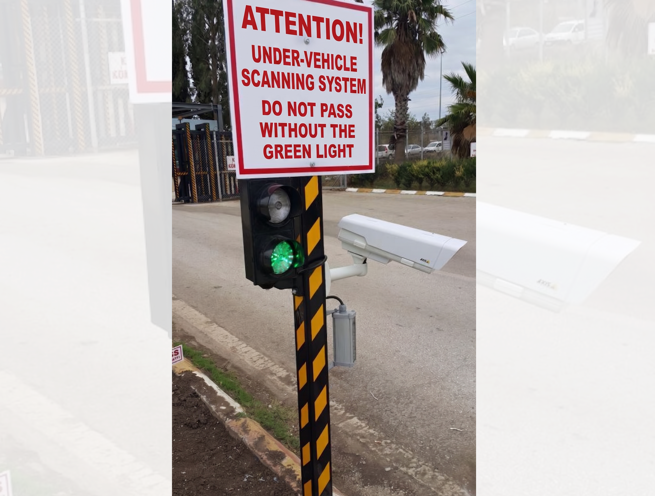
AUTOMATIC NUMBER PLATE RECOGNITION (ANPR) - LICENSE PLATE READING AND VEHICLE IDENTIFICATION SYSTEMS
Madoors manufactures advanced Automatic Number Plate Recognition (ANPR) systems, license plate reading technology, and RFID vehicle identification solutions serving law enforcement agencies, parking facilities, toll collection operations, border crossings, security checkpoints, commercial facilities, residential communities, and traffic management authorities requiring automated vehicle registration plate reading through optical character recognition (OCR), high-resolution video cameras, infrared illumination, and intelligent image processing algorithms converting license plate pixels into ASCII text enabling database queries verifying vehicle registration status, insurance validity, stolen vehicle alerts, warrant checks, parking authorization, access control permissions, and traffic violation enforcement while simultaneously capturing vehicle images, driver photographs, timestamp data, location information, lane assignments, and vehicle characteristics including type, brand, model, and color through integrated systems combining ANPR cameras with red light enforcement, speed detection, RFID tag readers, and access control barriers creating comprehensive vehicle management platforms operating 24-7 through infrared technology enabling nighttime operation, maintaining focus across digital zoom ranges, and processing high-resolution images without quality degradation supporting law enforcement investigations, parking management automation, toll collection efficiency, and security access control across governmental, commercial, and residential applications.
HIGH-RESOLUTION VIDEO-BASED NUMBER PLATE RECOGNITION TECHNOLOGY
Advanced high-resolution camera systems capture detailed vehicle images enabling accurate license plate recognition across wide fields of view without losing focus or sharpness. Video-based processing continuously monitors traffic flows detecting registration plates automatically as vehicles enter camera coverage zones eliminating manual observation requirements. Digital zoom capabilities maintain image clarity enabling post-capture magnification for detailed examination, evidence collection, and database record verification without degradation inherent in lower-resolution systems. This continuous monitoring ensures comprehensive traffic safety by detecting all vehicles within coverage areas regardless of speed, lane position, or lighting conditions. Wide-area coverage from single camera installations reduces infrastructure costs compared to multiple narrow-field cameras while simplifying installation, maintenance, and system management. High-resolution imagery supports multiple simultaneous functions including license plate recognition, vehicle classification, color identification, and driver photography through single integrated platforms maximizing capability while minimizing equipment investments and operational complexity.
OPTICAL CHARACTER RECOGNITION CONVERTING PIXELS TO ASCII TEXT
Sophisticated OCR software algorithms analyze captured license plate images converting pixel patterns into ASCII text strings representing vehicle registration numbers. This pixel-to-text transformation enables computer systems automatically reading registration plates from digital photographs without manual data entry eliminating human transcription errors, reducing processing time, and enabling real-time database queries. Character recognition accuracy proves critical for system effectiveness as misread plates generate false database matches, miss legitimate alerts, and undermine user confidence. Madoors OCR technology addresses recognition challenges including varied plate formats, damaged or dirty plates, unusual fonts, non-standard character spacing, and complex backgrounds through adaptive algorithms, multiple recognition passes, and confidence scoring identifying questionable reads requiring manual verification. Recognition performance maintains accuracy across international plate formats, multiple languages, and regulatory variations enabling deployment across diverse jurisdictions without system reconfiguration or algorithm retraining.
INFRARED ILLUMINATION FOR 24-7 DAY-NIGHT OPERATION
Specialized infrared lighting systems enable license plate capture during nighttime, low-light, and adverse weather conditions ensuring continuous 24-7 operation regardless of natural lighting availability. Infrared illumination invisible to human eyes prevents light pollution, eliminates driver distraction, and maintains covert operation where visible lighting proves undesirable. Wavelength selection optimizes plate reflectivity maximizing contrast between characters and backgrounds improving recognition accuracy compared to visible-light photography. All-weather operation maintains performance during rain, fog, snow, and darkness when visible-light systems fail or require supplemental lighting generating complaints from adjacent properties. Continuous monitoring capability proves essential for law enforcement applications where criminal activity peaks during darkness, parking operations requiring overnight enforcement, and security installations demanding uninterrupted surveillance. Infrared technology eliminates seasonal performance variations where shorter winter daylight periods limit visible-light system effectiveness ensuring consistent year-round operation supporting applications requiring guaranteed 24-7 functionality.
DATABASE INTEGRATION FOR VEHICLE REGISTRATION AND ALERT QUERIES
Comprehensive database connectivity enables real-time queries verifying vehicle registration status, insurance validity, stolen vehicle alerts, outstanding warrants, parking violations, and authorized access permissions through automated license plate matching. Law enforcement applications query national and regional databases identifying vehicles involved in criminal activity, missing persons cases, amber alerts, and traffic violations enabling immediate officer notification and response. Parking operations verify permit validity, payment status, and violation history automating enforcement actions including citation issuance and vehicle booting. Access control implementations match plates against authorized vehicle lists controlling barrier activation, gate opening, and facility entry preventing unauthorized access while maintaining convenient touchless operation for legitimate users. Database architectures support both cloud-based centralized systems enabling multi-site coordination and standalone local installations ensuring operation during network outages. Query response times under one second enable real-time vehicle processing maintaining traffic flow while providing security screening and access control functionality.
INTEGRATED RED LIGHT AND SPEED ENFORCEMENT CAPABILITIES
Optional traffic violation enforcement features integrate red light running detection and speed measurement with ANPR cameras creating comprehensive traffic safety systems without requiring separate enforcement equipment. Single camera installations capture license plates, verify signal compliance, measure vehicle speeds, and document violations through coordinated imaging and processing reducing infrastructure costs compared to dedicated enforcement systems. Red light enforcement captures vehicle images documenting signal status, intersection position, and license plate identification providing violation evidence supporting citation issuance and court proceedings. Speed enforcement correlates ANPR captures with radar or laser speed measurements associating measured velocities with specific vehicle registrations. Integration eliminates hardware duplication, simplifies installation, reduces maintenance requirements, and provides comprehensive traffic management through unified platforms. Existing ANPR installations accommodate enforcement feature additions through software updates without hardware replacement maximizing infrastructure investment returns while expanding capability as enforcement priorities evolve.
VEHICLE CHARACTERISTICS REPORTING - TYPE BRAND MODEL COLOR
Advanced vehicle classification algorithms analyze captured images identifying vehicle type, brand, model, and color supplementing license plate data with descriptive information supporting investigations, parking management, and access control applications. Type classification distinguishes passenger cars, trucks, motorcycles, buses, and commercial vehicles enabling category-based enforcement, pricing, and access policies. Brand and model recognition supports stolen vehicle recovery, suspect vehicle identification, and parking validation where multiple vehicles share registration numbers through legitimate transfers. Color identification assists visual vehicle location, confirms database record accuracy, and supports witness descriptions during investigations. This supplemental information proves valuable when license plates remain obscured, damaged, or deliberately concealed requiring alternative identification methods. Automated characteristic reporting eliminates manual observation and data entry reducing labor requirements while improving accuracy and consistency compared to human operators subject to fatigue, distraction, and subjective interpretation variations.
TIMESTAMP LOCATION AND LANE INFORMATION DOCUMENTATION
Comprehensive metadata recording associates date, time, camera identification, GPS location, and lane assignment with each vehicle detection creating complete documentation supporting enforcement actions, investigations, parking validation, and access control auditing. Timestamp accuracy proves critical for violation enforcement where timing determines legal compliance, parking duration calculations affecting billing, and access control logs establishing presence during security incidents. Location data enables multi-site coordination tracking vehicle movements across facility networks, city-wide enforcement areas, and regional transportation systems. Lane information supports traffic flow analysis, toll collection validation, and HOV lane enforcement distinguishing authorized from unauthorized lane usage. Camera identification associates detections with specific installation locations enabling performance monitoring, maintenance scheduling, and evidence authentication. This comprehensive documentation creates defensible records supporting legal proceedings, billing disputes, and security investigations while enabling analytical reporting identifying traffic patterns, violation trends, and system performance metrics guiding operational improvements and resource allocation.
RFID AUTOMATIC VEHICLE IDENTIFICATION AND ACCESS CONTROL SYSTEMS
Complementary RFID tag reader systems provide alternative vehicle identification through windshield-mounted tags enabling touchless access control, parking validation, and toll collection with advantages over camera-based systems in specific applications. UV-protected tear-resistant multi-layer stickers permanently associate tags with individual vehicles preventing tag transfer, counterfeit reproduction, and security vulnerabilities inherent in systems using portable credentials. Unique vehicle-tag pairing similar to highway toll collection systems ensures identification integrity supporting applications requiring absolute authentication. RFID reading proves more reliable than camera systems during adverse weather, heavy traffic, or infrastructure limitations where camera positioning proves challenging. Combined ANPR-RFID deployments provide redundant identification supporting critical security applications, accommodate legacy vehicle populations lacking compatible license plates, and enable tiered access control where RFID provides expedited entry while ANPR screens unauthorized vehicles. Tag reader installations integrate with barriers, gates, and access control systems coordinating vehicle identification with physical access control creating comprehensive vehicle management platforms.
PARKING LOT AUTOMATION AND ENFORCEMENT APPLICATIONS
Efficient parking facility automation leverages ANPR technology streamlining entry-exit processing, permit validation, payment verification, violation detection, and capacity management through touchless vehicle identification. Entry cameras capture license plates triggering barrier opening for authorized vehicles, initiating parking session timing, and validating payment credentials without ticket dispensing or manual gates. Exit processing verifies payment completion, calculates parking duration charges, and issues citations for unpaid sessions through automated plate matching against payment databases. Permit enforcement identifies unauthorized vehicles occupying reserved spaces, validates time-limited permits, and tracks violation histories supporting progressive enforcement actions. Capacity monitoring correlates entry-exit transactions tracking real-time occupancy guiding parking seekers to available spaces and preventing overselling during special events. Revenue enhancement opportunities include dynamic pricing based on demand, premium space reservations, and violation fine collection. These automation capabilities reduce staffing requirements, accelerate vehicle throughput, improve user experience, and increase revenue compared to manual parking operations while providing comprehensive usage data supporting operational optimization.
LAW ENFORCEMENT AND SECURITY CHECKPOINT APPLICATIONS
Critical law enforcement support enables police agencies automatically querying vehicle databases during routine patrols, checkpoint operations, and investigation activities identifying stolen vehicles, outstanding warrants, registration violations, and vehicles associated with criminal investigations. Mobile ANPR installations mounted on patrol vehicles scan passing traffic alerting officers to priority vehicles requiring immediate attention or investigation. Fixed checkpoint cameras screen all vehicles entering monitored areas detecting threats, fugitives, and contraband transporters before facility entry. Border crossing installations coordinate with customs and immigration systems verifying vehicle documentation, identifying smuggling attempts, and supporting national security objectives. Investigation support applications track suspect vehicle movements, establish presence timelines, and identify associates through vehicle relationship analysis. Alert notification systems immediately notify officers when priority vehicles enter coverage areas enabling rapid response, apprehension, and evidence collection. These law enforcement applications prove instrumental in crime prevention, criminal apprehension, missing person recovery, and homeland security operations where automated vehicle identification provides surveillance capabilities impossible through manual observation.
WHY CHOOSE MADOORS AUTOMATIC NUMBER PLATE RECOGNITION SYSTEMS?
Optical Character Recognition: Advanced OCR algorithms converting license plate pixels to ASCII text accurately.
High-Resolution Cameras: Video capture maintaining focus and sharpness across digital zoom ranges.
Infrared Illumination: 24-7 day-night operation enabling continuous monitoring regardless of lighting conditions.
Database Integration: Real-time queries verifying registration, insurance, stolen status, warrants, and access permissions.
Vehicle Characteristics: Automated identification of type, brand, model, and color supplementing plate data.
Red Light Enforcement: Integrated signal compliance monitoring without separate enforcement equipment.
Speed Detection: Combined velocity measurement and plate recognition through unified platforms.
RFID Tag Reading: Alternative identification technology providing redundant vehicle authentication.
Comprehensive Metadata: Timestamp, location, lane, and camera data creating complete documentation.
Wide-Area Coverage: Single cameras monitoring multiple lanes reducing infrastructure costs.
Parking Automation: Touchless entry-exit processing, permit validation, and violation enforcement.
Law Enforcement Support: Stolen vehicle alerts, warrant notifications, and investigation assistance.
Contact Madoors today to discuss automatic number plate recognition requirements, license plate reading system implementations, or RFID vehicle identification deployments. Our ANPR specialists provide site assessments, camera positioning analysis, database integration planning, system demonstrations, and complete installation-training services serving law enforcement agencies, parking operators, toll authorities, border facilities, commercial properties, residential communities, and security organizations requiring automated vehicle identification enabling access control, enforcement automation, investigation support, and traffic management through optical character recognition, high-resolution imaging, infrared illumination, and intelligent processing algorithms operating continuously across all lighting and weather conditions.
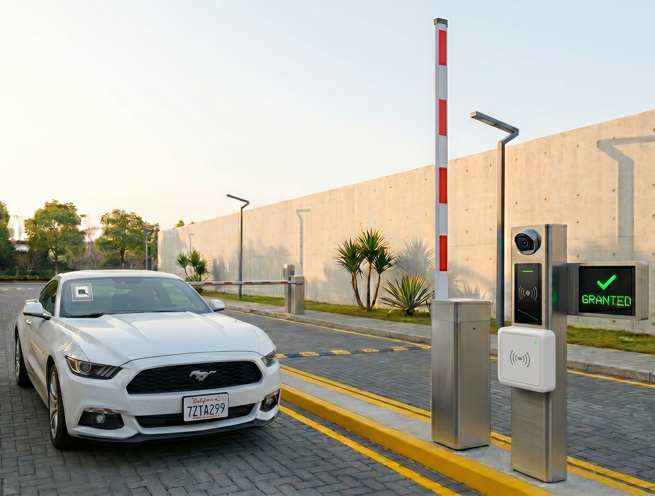
Exploring high-security Automatic Number Plate Recognition (ANPR) solutions? Please share your facility requirements and project details below. Our engineering team will evaluate your perimeter defense needs and deliver a customized project proposal.