Please provide your technical specifications and project requirements for the V-Gate Anti-Ram Impact Test Sliding Gate. Our engineers will review your application and provide a detailed manufacturing quote, including exact pricing and lead times.
V-Gate Anti-Ram Impact Test Sliding Gate
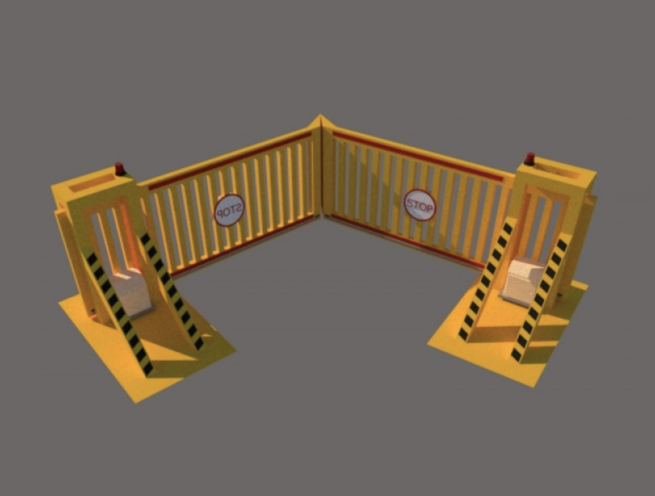
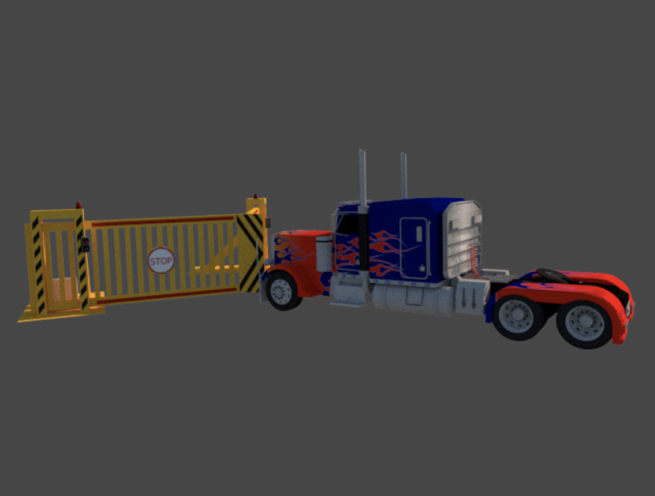
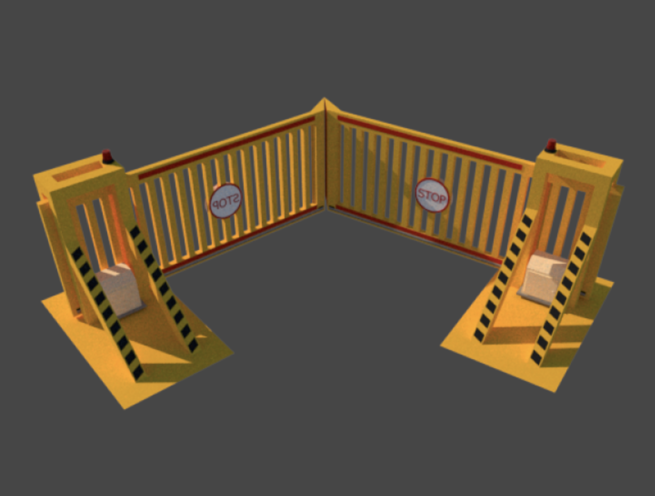
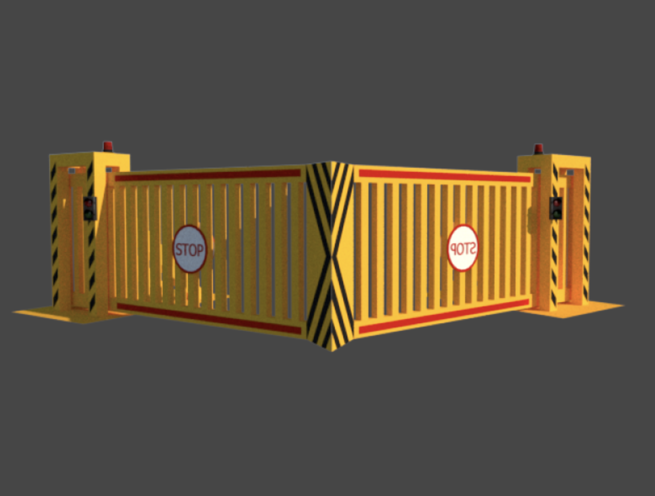
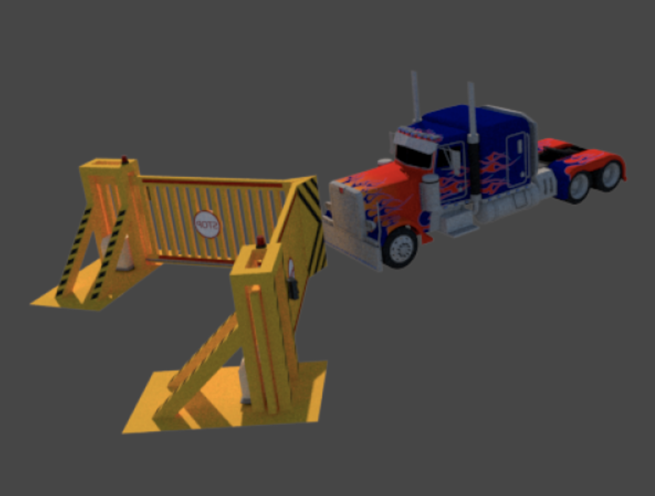
The Madoors USA V-Gate Anti-Ram Impact Test Sliding Gate is a dual sliding gate system that merges in the middle in a V-shape when viewed from above — providing a more solid and durable collision stance than parallel closing gates by presenting an angled structural geometry that distributes impact forces across both gate leaves simultaneously during a hostile vehicle attack. Certified to ASTM M50, M30, K12, and PAS68 international anti-ram standards with a crash test certificate confirming the stopping of a 7,500 kg vehicle at 80 km/h, operated by hydraulic and electromechanical motors, and custom-sized for specific project requirements, the Madoors USA Anti-Ram V-Gate is the definitive counter-terrorism sliding gate solution for blocking truck and heavy-tonnage vehicle attacks at high-security installations worldwide.
TECHNICAL SPECIFICATIONS
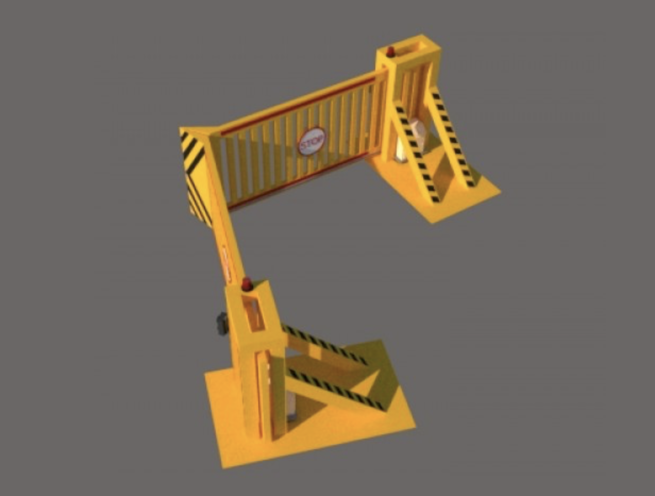
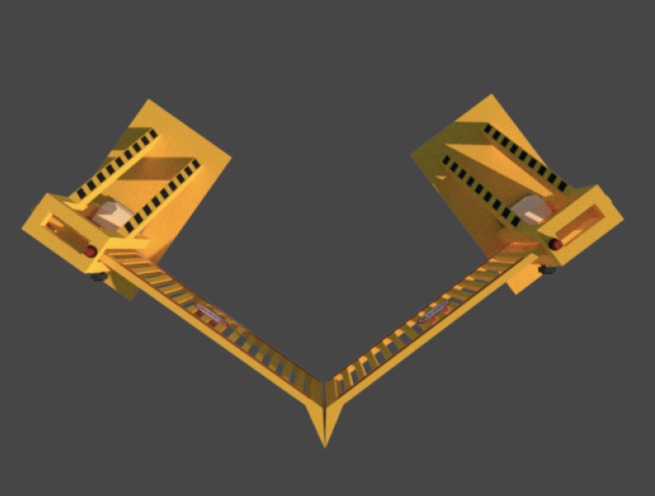
The V-Gate system consists of two sliding gate leaves that travel toward each other from opposite sides of the opening — when fully closed, both leaves meet in the center of the opening and merge in a V-configuration when viewed from above. The V-angle is the structural engineering principle that gives the system its name and its superior impact resistance — the angled geometry deflects and distributes the kinetic energy of a vehicle impact across both gate leaves and their drive mechanisms rather than concentrating the impact force on the center joint as parallel closing gates do.
Certification covers ASTM M50 and M30, K12, and PAS68 standards — confirming multi-standard certified hostile vehicle mitigation performance against a 7,500 kg vehicle at 80 km/h. This triple-standard certification satisfies government, military, and critical infrastructure procurement specifications across all primary international HVM certification frameworks simultaneously.
Drive system options are hydraulic and electromechanical — selectable based on the specific performance requirements, power supply availability, and maintenance preference of each installation. PLC control manages all gate operations, safety sensor interfaces, access control integrations, and warning system outputs.
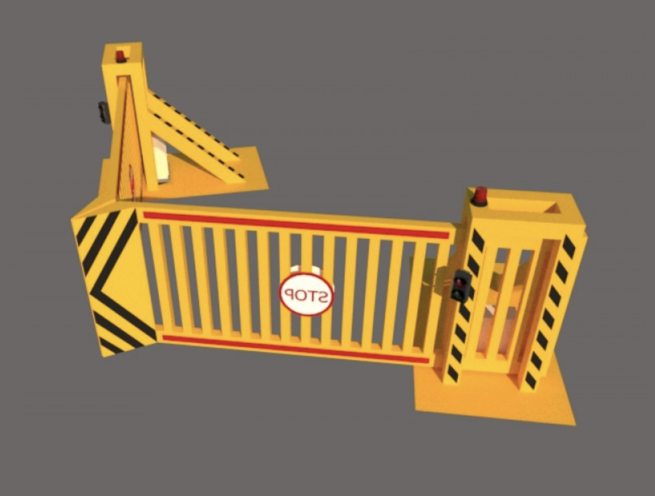
Standard components include traffic lights, photocell or loop detector safety sensors, steel ropes for kinetic energy absorption during collision, encrypted remote control buttons, hydraulic unit and electrical connection panel, PLC control unit, warning signs, phosphorescent reflective tapes for night visibility, and sound and light flasher warning lamps.
Custom sizing allows the gate opening width, gate leaf dimensions, and structural specifications to be manufactured specifically for each project requirement.
KEY FEATURES
V-Shape Closure — Superior Anti-Ram Geometry
The V-shaped closure geometry is the unique structural advantage of the V-Gate over conventional parallel-closing and single-leaf sliding gate configurations. When viewed from above, the two gate leaves form a V with the apex pointing toward the approaching vehicle — this angled geometry means that a vehicle impact on the closed gate is received at an angle to both leaves simultaneously rather than as a direct perpendicular force on a single surface. The angular impact distribution increases the effective resistance of the gate structure to hostile vehicle impact by engaging both leaves in the load path, reducing the peak stress at the center junction, and utilizing the full structural depth of both leaves in the impact response.
ASTM M50, M30, K12 & PAS68 — Multi-Standard Crash Certified
The V-Gate's multi-standard certification — ASTM M50 and M30, K12, and PAS68 — with independent crash test certificate confirming 7,500 kg at 80 km/h stopping performance provides the broadest possible procurement specification coverage from a single gate product. Government and military procurement specifications that reference any one of these four standards are all satisfied by the Madoors USA V-Gate certificate — eliminating the project-specific certification concern that affects products certified to a single standard.
Steel Ropes — Kinetic Energy Absorption
Steel ropes are integrated into the gate structure specifically to absorb the kinetic energy of a hostile vehicle collision — the ropes stretch and deform under the impact load, dissipating the vehicle's kinetic energy progressively rather than transmitting it as a sudden shock load to the gate structure and foundations. This energy absorption mechanism supplements the structural resistance of the gate steel by extending the impact duration and reducing the peak impact force — the same principle used in vehicle crash barriers to reduce structural damage and improve the stopping performance over the crash distance.
Photocell & Loop Detector Safety Sensors
Photocell sensors and optional loop detector vehicle presence detection prevent gate closure while personnel or vehicles are detected in the gate travel path — protecting both authorized users and the gate mechanism from contact during normal access management cycles. These safety sensors are the operational safety requirement that allows the anti-ram gate to function as a daily-use access control device without the unacceptable contact risk that unsensored high-force anti-ram gate systems would present at busy access points.
Encrypted Remote Control — Secure Access Management
The encrypted remote control system prevents unauthorized cloning or replication of the gate control signal — a critical security requirement for anti-ram gates at high-security installations where an adversary with a cloned control signal could open the gate remotely before a vehicle attack. Encrypted control codes change with each transmission, preventing the signal capture and replay attacks that defeat standard fixed-code remote systems.
PLC Control — Universal Access Control Integration
PLC control provides programmable integration with all standard access control interfaces — card readers, biometric systems, intercom systems, and security management platforms — allowing the V-Gate to be incorporated into the complete facility security management infrastructure. The PLC manages the traffic light sequences, safety sensor logic, remote control authorization, and gate travel limits in a coordinated control program.
Phosphorescent Reflective Tapes & Flasher Lamps — Night Visibility
Phosphorescent reflective tapes increase the visibility of the gate structure at night — the tapes charge in daylight and emit visible light in darkness, maintaining gate visibility without requiring electrical power. Sound and light flasher lamps provide active warning of gate movement during opening and closing cycles. This combination of passive phosphorescent visibility and active flasher warning provides the complete visual safety system required for a high-security anti-ram gate operating at the full range of ambient light conditions.
Custom Sizing — Project-Specific Manufacturing
Custom sizing and manufacturing for specific project requirements allows the V-Gate to be specified for any opening width from narrow single-lane vehicle access points through to wide multi-lane entrance roads — with gate leaf dimensions, structural section sizes, and foundation specifications all calculated for the specific opening width, traffic profile, and impact resistance requirement of each installation.
ASSEMBLY & INSTALLATION SEQUENCE
Site Assessment & Configuration
Opening width, V-gate approach geometry, foundation depth and concrete specification for crash-rated anchor loading, drive system — hydraulic or electromechanical — access control interface, and custom dimension requirements are confirmed.
Foundation & Track Installation
Crash-rated foundations are constructed at both gate leaf drive positions and the center closure position. Ground tracks for both gate leaves are installed and aligned for correct V-geometry in the fully closed position.
Gate Leaf & Drive System Installation
Custom-manufactured gate leaves are installed on the ground track system. Hydraulic drive units or electromechanical motors are installed and connected to each gate leaf independently.
Steel Rope Energy Absorption Installation
Steel kinetic energy absorption ropes are installed within the gate structure at the specified positions — connecting the gate leaves to the foundation anchor points to engage the energy absorption function on impact.
PLC, Safety Sensor & Control System Installation
PLC control unit, photocell sensors, loop detectors, traffic lights, encrypted remote control receivers, warning signs, phosphorescent tapes, and flasher lamps are installed and connected. V-Gate closure sequence — both leaves traveling simultaneously to the center V-merge position — is programmed and tested.
Crash Test Certification Documentation & Handover
ASTM M50/M30, K12, and PAS68 crash test certification, custom manufacturing documentation, and installation records are compiled into the project handover package.
DEPLOYMENT SCENARIOS & USE CASES
Madoors USA V-Gate Anti-Ram Sliding Gates are specified for any high-security vehicle access control point requiring multi-standard certified anti-ram protection in a sliding gate configuration.
- Military installation main gate anti-ram V-gate systems
- Government building and ministry vehicle entrance gates
- Embassy and diplomatic compound anti-ram V-gates
- Critical national infrastructure vehicle access gates
- Airport perimeter anti-ram V-gate installations
- Prison and correctional facility vehicle entrance gates
- Nuclear facility and power station anti-ram gates
- Petrochemical plant and refinery vehicle access gates
- Bank and financial institution vehicle entrance gates
- Corporate headquarters anti-ram sliding gate systems
- Port and maritime terminal vehicle access gates
- Stadium and arena vehicle access anti-ram gates
- Shopping center and public space vehicle attack prevention
- Military checkpoint anti-terrorism sliding gate systems
- Any wide-opening anti-ram requirement requiring V-geometry impact resistance
- Category: Sliding Gate