Remote Control Armored Bulldozer, Caterpillar, JCB
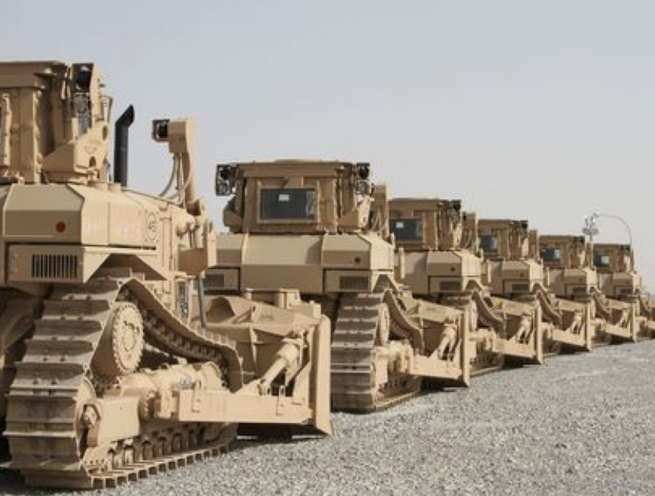
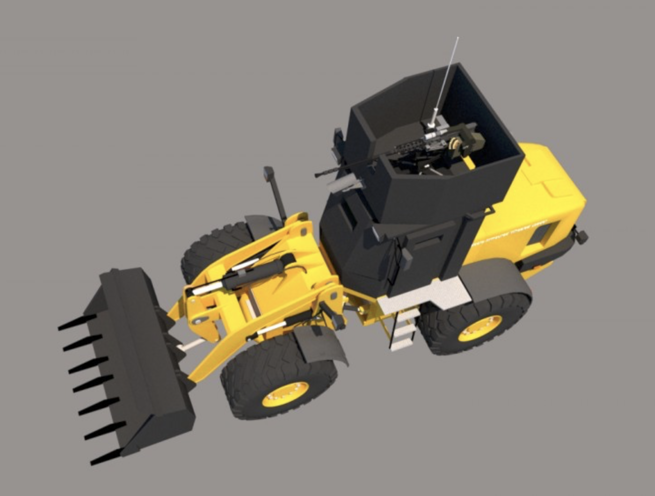
The Madoors USA MDR Armored Remote Control Bulldozer is a combat engineering vehicle combining the full earth-moving capability of a D9-class bulldozer with a comprehensive armor protection package — protecting the operator and commander inside an armored cabin with bulletproof windows against bombs, machine gun fire, and sniper fire, with slat armor add-on to deflect RPG rounds, and optional crew-operated machine gun, smoke projectors, and grenade launchers for self-defense. The armor kit adds approximately 8 additional tons to the base vehicle weight, provides bulletproof window protection at all crew vision positions, two front entry doors, a rear emergency exit door, and a roof hatch for observation — producing a combat engineering vehicle capable of performing demolition, earthworks, route clearing, mine clearing, IED detonation, fortification construction, and armored vehicle recovery operations even while under direct enemy fire.
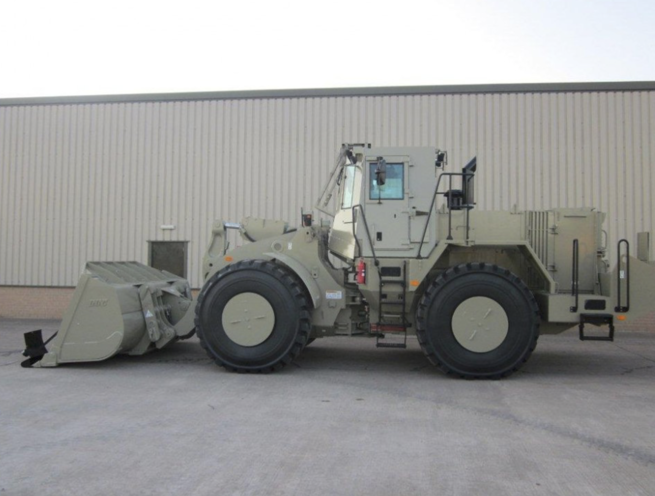
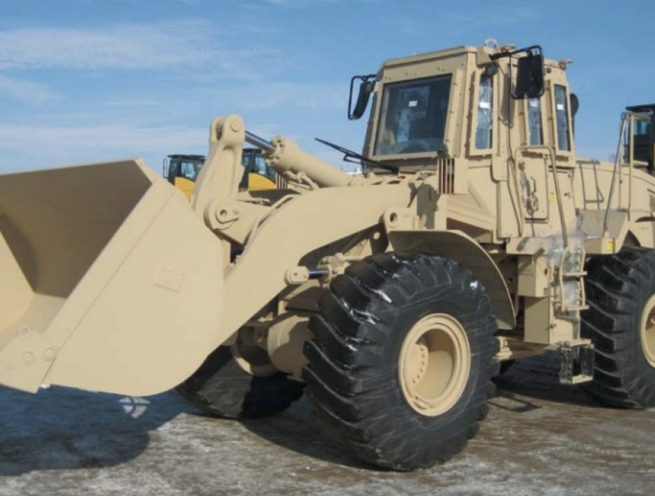
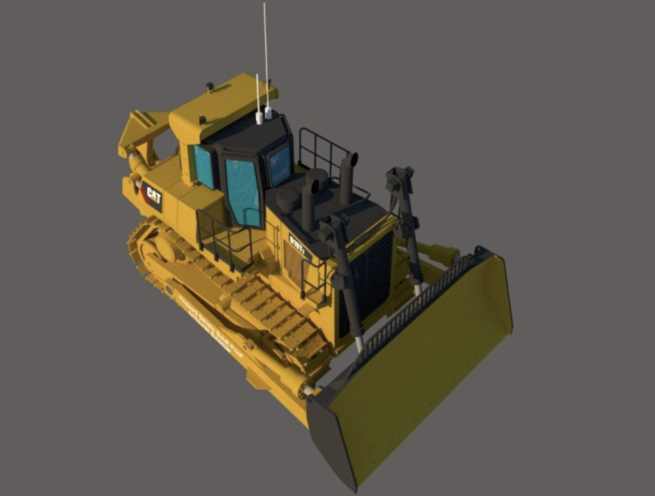
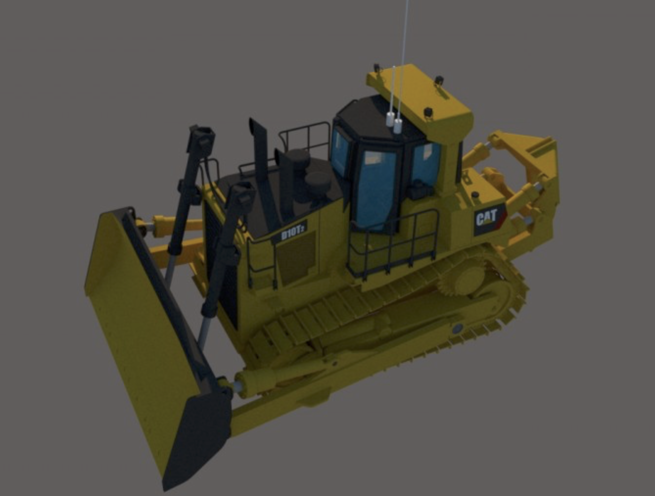
The MDR Armored Bulldozer modification is applicable to civilian bulldozer platforms — Caterpillar, JCB, and equivalent D9-class machines — through the installation of the armor kit and military equipment package, converting a standard earth-moving machine into a frontline combat engineering asset.
TECHNICAL SPECIFICATIONS
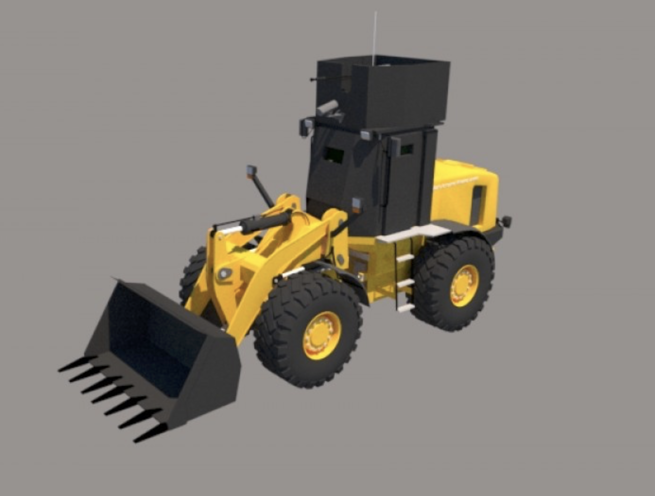
The MDR armor modification consists of an armor kit installed over the mechanical systems and operator cabin of the base bulldozer platform. The armored cabin — referred to as the cockpit — encloses the driver and commander positions with armored steel wall panels and bulletproof windows at all crew observation positions. The bulletproof window specification provides protection against the primary threats encountered at combat engineering positions — small arms including machine gun fire, sniper rifle fire, and bomb fragmentation that approaches the vehicle from all angles during active engineering operations under fire.
Slat armor is fitted as an add-on to the armored cabin exterior — the slat structure deflects RPG warheads before they contact the main armor surface, defeating the shaped charge by causing the warhead to detonate prematurely at a stand-off distance where the jet penetration capability is significantly reduced. This RPG protection extends the survival capability of the armored bulldozer against the most common anti-armor threat in urban and asymmetric warfare environments.
The armor package adds approximately 8 tons to the production-line base vehicle weight — a significant addition that confirms the substantial steel armor thickness applied across all crew-exposed surfaces. The added weight is accommodated by the D9-class platform's high-power drivetrain and track system.
The operator cabin is accessed through two front entry doors and includes a rear emergency exit door — providing egress in the event that the front doors are obstructed by enemy action, vehicle rollover, or rubble. A roof hatch provides the commander with direct observation capability above the bulletproof window sightlines. A 7.62mm machine gun mount on the roof provides self-defense capability operated by the vehicle commander from inside the armored cabin.
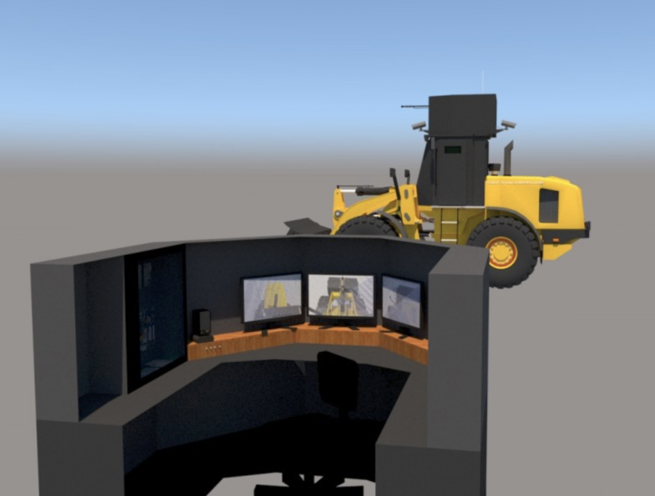
Remote control capability allows the armored bulldozer to be operated without crew presence — the driver and commander positions can be replaced by remote control operation for the highest-threat scenarios where even the armored cabin protection is considered insufficient, or for mine clearing and IED detonation tasks where the proximity to explosive devices creates acceptable risk only in unmanned operation.
KEY FEATURES
Armored Cabin — Bulletproof Windows — Bomb, Machine Gun & Sniper Protection
The complete armored cabin with bulletproof windows at all crew observation positions provides the protection standard required for combat engineering operations at active frontline positions — the crew can observe, navigate, and operate the bulldozer through the bulletproof windows while protected from the direct fire threats that make conventional unarmored bulldozer operation impossible in combat. The cabin's all-around armor coverage ensures that no approach angle provides an unprotected path to the crew positions.
Slat Armor RPG Deflection
The slat armor add-on is the specific RPG protection system required for vehicle survival in urban warfare and asymmetric conflict environments where RPG-armed combatants can engage the vehicle at close range from elevated positions, side streets, and building interiors. The slat structure causes the RPG warhead to detonate at stand-off distance — significantly reducing the shaped charge jet penetration at the main armor surface. This RPG protection is the combat engineering vehicle's answer to the most prevalent anti-armor threat in the operating environments where bulldozer engineering missions are most critical.
Remote Control Operation — Unmanned Engineering
The remote control operation capability allows the armored bulldozer to conduct engineering missions without crew presence — eliminating all crew risk in the highest-threat scenarios and for the most dangerous specific tasks including mine clearing in confirmed minefields and IED detonation at identified explosive device positions. Remote control operation directly prevents crew casualties at the tasks where vehicle-IED proximity risk exceeds the protection capability of the armored cabin.
Mine Clearing & IED Detonation
The armored bulldozer's blade and track system are used for mine clearing — pushing mines and IEDs out of the path of following infantry and armored vehicles, detonating pressure-activated mines under the track and blade loads, and clearing mines from road surfaces and terrain features that obstruct military advance. The armor protection allows the vehicle to continue operating through mine detonations and IED explosions that would destroy an unarmored vehicle and kill an unprotected crew.
Home & Structure Demolition Under Fire
Structure demolition under direct enemy fire is identified as the most notable combat engineering application of the MDR Armored Bulldozer — the armored cabin protection allows continuous demolition operations at positions defended by enemy small arms, machine gun, sniper, and RPG fire that would prevent unarmored construction equipment from operating. This under-fire demolition capability directly supports infantry assault operations by eliminating structural cover used by defending forces.
Route Clearing — Rubble & Terrain Obstacles
Clearing rubble from combat-damaged urban roads, filling bomb craters to restore vehicle passage, removing terrain obstacles, and opening routes for armored fighting vehicles and infantry are the primary engineering missions of the armored bulldozer in offensive and defensive operations. The combination of D9-class earth-moving power and complete armor protection allows these route-clearing missions to proceed under fire without the crew exposure that conventional construction equipment would require.
Armored Vehicle Recovery — Rescue Stuck & Damaged AFVs
The armored bulldozer's combination of earth-moving capability and armored protection allows it to recover armored fighting vehicles that have become stuck, overturned, or damaged in combat — operating under fire at the vehicle recovery position where the threat environment that disabled the recovered vehicle is still present. This armored recovery capability directly prevents the loss of high-value armored vehicles that cannot be recovered by unprotected recovery vehicles under fire.
Fortification Construction — Moats, Sand Barriers & Earthworks
The bulldozer's earth-moving capability is applied to fortification construction — digging defensive moats around military positions, mounting sand barriers and berms for blast protection, and constructing earthwork field fortifications under fire at forward positions where engineer construction support cannot operate without protection.
Crew-Operated Machine Gun — Self-Defense
The 7.62mm machine gun mounted on the roof and operated by the vehicle commander provides direct self-defense capability against enemy personnel and light vehicles approaching the bulldozer during engineering operations — without requiring the crew to exit the armored cabin or expose themselves to the threat environment. This self-defense capability allows the armored bulldozer to continue engineering operations in the presence of enemy contact without requiring infantry escort fire at all times.
Two Front Doors, Rear Emergency Exit & Roof Hatch
The crew entry, egress, and observation provisions — two front entry doors, rear emergency exit door, and roof hatch — address the full range of crew survival scenarios during engineering operations. The rear emergency exit provides the escape route when the front doors are blocked by enemy fire, vehicle collision, or debris. The roof hatch provides the commander with direct visual observation above the bulletproof window sightlines for close-range engineering task management.
ENGINEERING MISSIONS SUMMARY
Structure and building demolition under direct fire, route clearing and rubble removal from combat-damaged roads, crater filling and road surface restoration, terrain obstacle clearing for AFV and infantry advance, defensive moat and earthwork fortification construction, sand barrier and berm construction for field fortifications, invasion beach obstacle clearing, mine field clearing with track and blade, IED and explosive detonation by vehicle approach, and armored fighting vehicle recovery from combat positions.
ASSEMBLY & MODIFICATION SEQUENCE
Base Vehicle Selection
The base bulldozer platform — Caterpillar D9, JCB, or equivalent — is selected and confirmed for the armor modification. Base vehicle mechanical condition, drivetrain, and track system are assessed for the approximately 8-ton armor weight addition.
Armor Kit Installation — Mechanical Systems
Armor panels are installed over the engine, hydraulic systems, and mechanical components — protecting the powerplant and drive system from ballistic damage that would disable the vehicle during engineering operations.
Armored Cabin Construction
The armored cockpit is constructed over the driver and commander positions — armored wall panels, bulletproof windows at all observation positions, two front entry doors, rear emergency exit door, and roof hatch are installed. Cabin structural integrity and all door and hatch operation are verified.
Slat Armor Installation
The RPG deflection slat armor is fitted to the exterior of the armored cabin on all vulnerable faces. Slat geometry and stand-off distance from the main armor surface are verified for the specified RPG protection performance.
Machine Gun Mount & Optional Equipment
The 7.62mm machine gun roof mount is installed. Smoke projectors, grenade launchers, and any other specified optional equipment are fitted. Remote control system is installed and tested for unmanned operation capability.
Weight Distribution & Mobility Testing
The modified vehicle is tested for track tension, steering, blade operation, and mobility performance with the full added armor weight. Any mechanical adjustments required for the 8-ton weight addition are completed.
Operational Testing & Crew Familiarization
Complete operational testing of all armored cabin functions, door and hatch operation, weapon mounts, remote control, and engineering capability is conducted. Crew familiarization with the modified vehicle handling characteristics is completed.
DEPLOYMENT SCENARIOS & USE CASES
Madoors USA MDR Armored Remote Control Bulldozers are deployed for any combat engineering mission requiring armored protection for earth-moving operations in threat environments.
- Urban warfare structure demolition under fire
- Military assault route clearing and obstacle removal
- Combat mine field clearing operations
- IED and explosive detonation engineering operations
- Invasion and assault beach obstacle clearing
- Defensive fortification and earthwork construction
- Sand barrier and blast protection berm construction
- Armored vehicle recovery from combat positions
- Road crater filling and route restoration under fire
- Military forward position fortification construction
- Counter-terrorism urban operation engineering support
- Military siege engineering and breach operations
- Post-combat rubble clearing and route restoration
- Emergency explosive hazard removal operations
- Any combat engineering mission requiring armored crew protection and earth-moving capability under fire