Radiation-Proof Glass Systems
The Madoors USA Radiation-Proof Glass System is an advanced radiation shielding glazing solution providing up to 99% radiation blocking performance for nuclear power plants, hospital radiology departments, laboratories, chemical factories, and industrial facilities — simultaneously providing UV ray resistance, electromagnetic wave protection, high temperature resistance, excellent thermal insulation, and long-lasting structural durability in an environmentally friendly, eco-conscious material that adds modern aesthetic character to building interiors and exteriors.
Designed for the healthcare, nuclear energy, research, and industrial sectors where radiation exposure poses significant risk to workers and the surrounding environment, the Madoors USA Radiation-Proof Glass System provides comprehensive protection against the full range of radiation threats while contributing to building energy efficiency through superior thermal insulation that reduces heat loss in winter and cooling costs in summer.
TECHNICAL SPECIFICATIONS
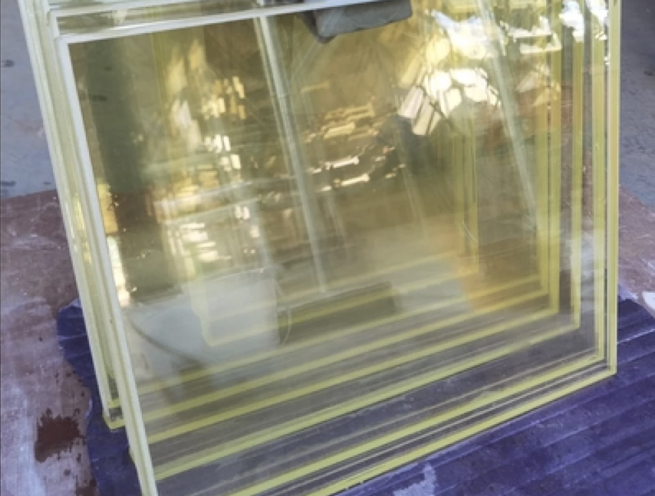
The Madoors USA Radiation-Proof Glass System blocks up to 99% of radiation — covering the primary radiation types encountered in nuclear, medical, and industrial applications including gamma radiation, X-ray radiation, UV radiation, and electromagnetic wave radiation. The 99% blocking performance is achieved through the lead glass or specialized radiation-absorbing glass composition that attenuates the radiation passing through the glazing to 1% of the incident radiation level — providing the radiation shielding performance required for observation windows, control room glazing, and facility fenestration at the highest radiation exposure facilities.
The glass composition provides simultaneous UV resistance — blocking ultraviolet radiation that degrades interior materials, causes skin damage, and reduces the thermal comfort of building occupants — and electromagnetic wave protection for sensitive electronic equipment installations where EMI shielding is required alongside radiation protection.
High temperature resistance allows the glazing system to maintain its structural integrity and radiation shielding performance in the elevated temperature environments of industrial and nuclear facilities — the glass does not soften, warp, or delaminate under the thermal conditions of normal facility operation or emergency thermal events.
Thermal insulation properties minimize heat loss through the glazed surfaces — maintaining balanced indoor temperatures, reducing the heating energy required in cold conditions, and reducing the cooling load in hot conditions. This thermal performance directly reduces the energy operating cost of facilities where large glazed observation and control room windows would otherwise create significant thermal bridges.
The glazing is manufactured from completely eco-friendly materials containing no harmful substances — the glass composition uses sustainable, recyclable materials that do not release harmful substances during manufacture, installation, or service life. This eco-friendly material specification supports the environmental sustainability objectives of nuclear, healthcare, and industrial facility operators who are increasingly required to demonstrate environmental responsibility in all facility systems.
Durability against high temperature fluctuations, strong winds, rain, and snow ensures long-term structural and shielding performance in all climate conditions — the glass maintains its radiation blocking performance, transparency, and structural integrity without fading, delamination, or structural degradation throughout its service life.
KEY FEATURES
Up to 99% Radiation Blocking — Comprehensive Shielding Performance
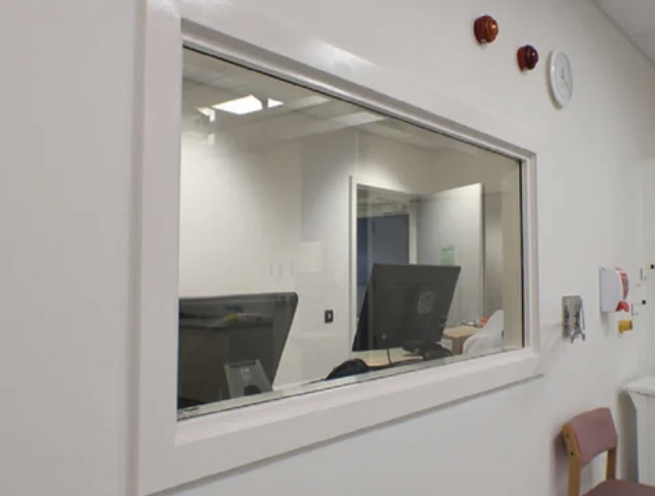
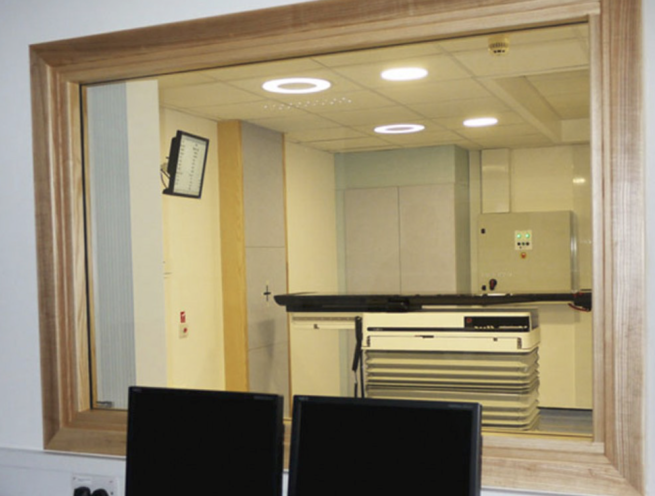
The up to 99% radiation blocking performance addresses the primary radiation protection requirement of nuclear, medical, and industrial observation windows — the operator or healthcare worker on the protected side of the glass receives only 1% of the radiation dose present on the radiation source side. This attenuation factor is the fundamental specification for radiation-proof glazing at reactor observation windows, radiology treatment room windows, fluoroscopy suite observation windows, and any application where visual access to a radiation source area must be maintained while protecting the observer from radiation exposure.
Nuclear, Medical & Industrial Application Coverage
The three primary sectors requiring certified radiation-proof glazing — nuclear power plants, hospitals and radiology departments, and laboratories and industrial facilities — share the common requirement for visual observation of radiation-producing processes without personnel exposure. Nuclear power plants require observation windows at reactor control interfaces and maintenance access points. Hospital radiology departments require treatment room and fluoroscopy suite observation windows. Laboratories and research facilities require fume hood and containment vessel windows. The Madoors USA Radiation-Proof Glass System serves all three application sectors from a single certified glazing product.
UV & Electromagnetic Wave Protection — Multi-Threat Shielding
The UV resistance and electromagnetic wave protection provided alongside the primary radiation shielding directly addresses the secondary radiation threats present at nuclear and industrial facilities — UV radiation from industrial processes and electromagnetic interference from high-power electrical equipment. This multi-threat shielding in a single glazing system eliminates the need for separate UV-blocking and EMI-shielding glazing layers at facilities where multiple radiation and interference types are simultaneously present.
Thermal Insulation — Energy Efficiency Contribution
The thermal insulation properties of the radiation-proof glass system contribute directly to facility energy efficiency — the glazing provides the thermal separation between the radiation environment and the protected space that prevents heat transfer through the window area. At nuclear facilities and industrial plants where observation windows may span large areas, the thermal insulation performance of the glazing system is a significant contributor to the overall building energy balance and heating/cooling operating cost.
High Temperature Resistance — Industrial Process Compatibility
High temperature resistance ensures that the radiation shielding performance and structural integrity of the glazing are maintained in the elevated temperature environments of nuclear, industrial, and laboratory facilities — where conventional glazing would soften, warp, or crack under the combination of radiation exposure and thermal loading. This combined radiation and thermal resistance is the essential performance specification for glazing at nuclear reactor observation points and industrial process viewing windows.
Long-Term Durability — No Fading or Structural Loss
The long-term durability against temperature fluctuations, wind, rain, and snow ensures that the 99% radiation blocking performance is maintained throughout the full service life of the glazing installation — the glass does not fade, delaminate, or lose its radiation attenuation characteristics over time. This durability directly supports the long design lives of nuclear power plants, hospital facilities, and industrial plants where the glazing system must maintain its certified performance for decades without replacement.
Eco-Friendly Materials — Sustainable Facility Specification
The eco-friendly, sustainable, recyclable material specification allows the radiation-proof glass to be specified for green building certification programs and environmental management system requirements — providing radiation protection without the environmental impact of conventional lead glass that contains environmentally harmful lead content. This eco-friendly specification directly supports the sustainability objectives of modern healthcare, nuclear, and industrial facility operators.
Modern Aesthetic Design — Building Appearance Enhancement
The modern aesthetic design of the Madoors USA Radiation-Proof Glass System adds visual character to building interiors and exteriors — providing the architectural quality required for modern healthcare facility and corporate facility design alongside the technical radiation shielding performance. This aesthetic quality allows radiation-proof glazing to be specified for visible facade and interior window positions without the institutional appearance that conventional lead glass or opaque shielding walls would create.
PRODUCT CONFIGURATIONS
Observation Window Units — Pre-framed radiation-proof glass units for wall installation at nuclear control rooms, radiology treatment rooms, fluoroscopy suites, and laboratory containment positions. Available in standard and custom dimensions.
Facade Glazing Panels — Large-format radiation-proof glazing for building facade applications at nuclear, medical, and industrial facilities requiring both architectural glazing quality and radiation protection at the building envelope.
Door Glazing Inserts — Radiation-proof glass inserts for door panels at radiation-controlled areas — providing visual access through controlled area doors while maintaining the radiation shielding of the complete door and frame assembly.
Custom Configurations — Any glazing dimension and frame configuration for project-specific radiation shielding requirements — designed in consultation with the facility's health physics team for the specific radiation source, energy level, and required attenuation factor.
ASSEMBLY & INSTALLATION SEQUENCE
Radiation Shielding Specification
The qualified health physics team or radiation protection expert confirms the radiation source type, energy level, required attenuation factor, and glass thickness specification for each glazing position in the facility.
Frame & Opening Preparation
Wall openings are prepared to the confirmed glazing unit dimensions. Frame materials compatible with the radiation-proof glass system — and maintaining radiation shielding continuity at the frame-to-glass and frame-to-wall interfaces — are confirmed.
Glazing Unit Installation
Radiation-proof glass units are installed in the prepared frames — with frame seal continuity, radiation shielding continuity at all perimeter joints, and thermal insulation continuity verified at every interface.
Radiation Survey Verification
A radiation protection survey is conducted with the glazing installed — measuring the transmitted radiation dose rate on the protected side and confirming the achieved attenuation against the specified 99% blocking performance and the design dose rate limit.
Thermal Performance Verification
Thermal insulation performance is verified — confirming that the installed glazing achieves the specified thermal resistance for the building energy performance calculation.
Certification Documentation & Handover
Radiation shielding performance survey results, material eco-friendly certification, thermal insulation certification, and installation records are compiled into the project handover package.
DEPLOYMENT SCENARIOS & USE CASES
Madoors USA Radiation-Proof Glass Systems are specified for any facility requiring certified radiation shielding glazing at observation windows, control rooms, and building facades.
- Nuclear power plant reactor observation window glazing
- Nuclear facility control room radiation-proof windows
- Hospital radiology department treatment room windows
- Fluoroscopy suite observation and control room glazing
- Nuclear medicine facility radiation-proof windows
- CT scanner room control room observation glazing
- Linear accelerator vault observation windows
- Research reactor observation and control room glazing
- Nuclear fuel processing facility observation windows
- Industrial X-ray inspection facility observation windows
- NDT radiography bay radiation-proof observation glazing
- Laboratory containment vessel observation windows
- Chemical and biological laboratory safety glazing
- Industrial high-radiation process observation windows
- Any facility requiring 99% radiation blocking observation glazing with thermal insulation and eco-friendly materials