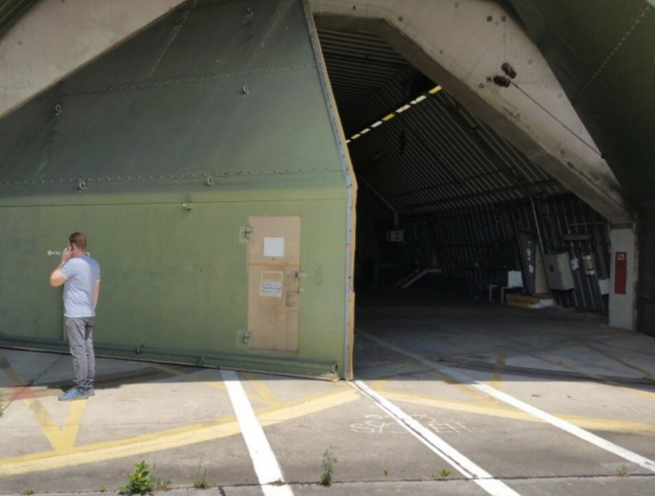
Protective Aircraft Shelter Gate Door (PAS) (Type 3)
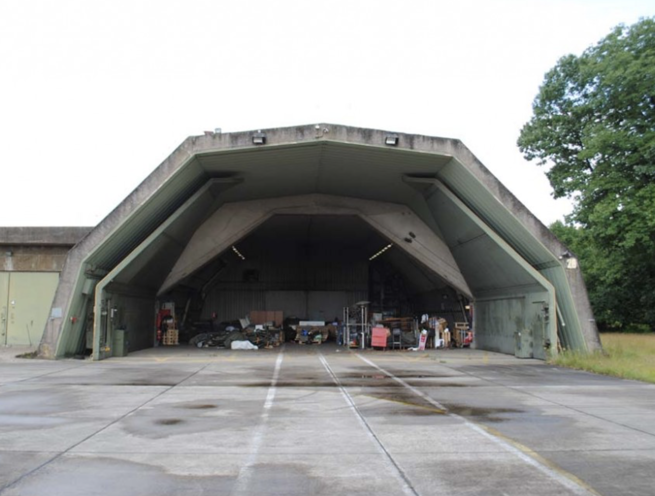
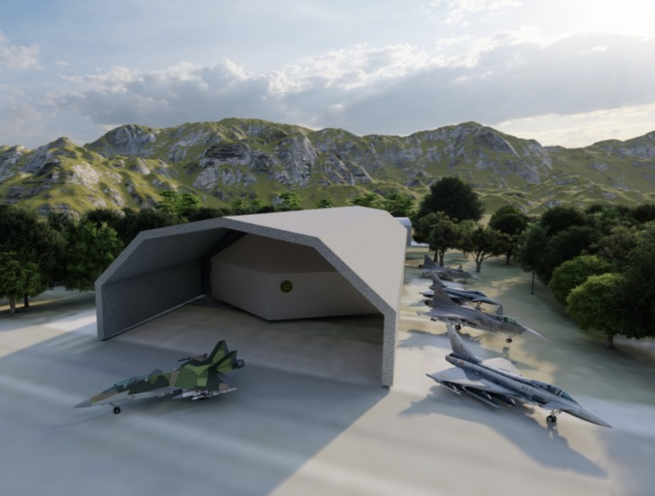
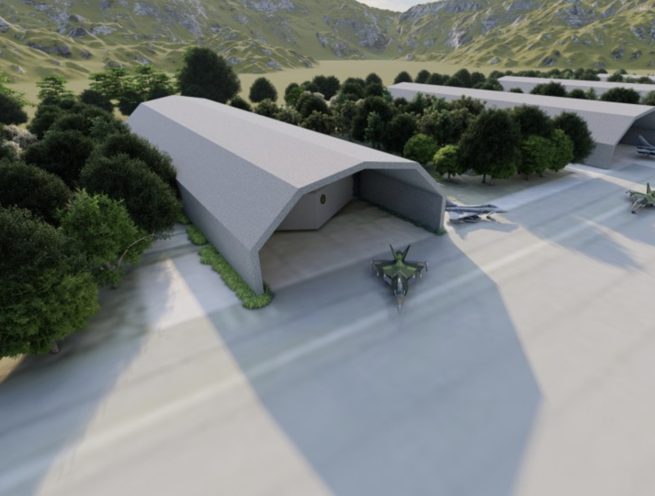
The Madoors USA Protective Aircraft Shelter Gate Door Type 3 is a hardened aircraft shelter door system engineered for reinforced military aircraft hangars designed to house and protect fighter-size aircraft from enemy attack — reducing aircraft vulnerability to all but the most accurate precision weaponry, providing protection against chemical weapon attack, and denying satellite and aerial reconnaissance the ability to confirm aircraft presence within the shelter. Madoors USA hardened aircraft shelter systems incorporate ventilation and engine exhaust systems allowing aircraft engines to run inside the shelter with the hangar doors closed, new fire prevention systems, improved storm drainage systems, and comprehensive safety infrastructure — providing an upgraded aircraft protection area and a safer working environment for airfield personnel.
The Type 3 PAS gate door satisfies the most demanding military hardened shelter door specifications — combining blast-resistant, fragment-resistant structural performance with reliable automated opening and closing for operational aircraft launch and recovery cycles, covert internal operations, and weapons storage security including vault systems for nuclear weapons storage in accordance with NATO Weapons Storage and Security System requirements.
TECHNICAL SPECIFICATIONS
The Madoors USA PAS Type 3 gate door is designed for hardened aircraft shelters — reinforced concrete and steel bunker structures providing military aircraft protection that conventional open hangars cannot achieve. The hardened shelter and gate door combination reduces aircraft vulnerability to enemy attack through the combined protective effect of the reinforced concrete shelter structure and the blast and fragment-resistant gate door — requiring enemy forces to use highly accurate precision-guided weapons at significant cost rather than general-purpose bombs and missiles to defeat the protected aircraft.
The PAS gate door is engineered as a complete hardened shelter door system — integrating structural blast resistance, fragment protection, weather sealing, ventilation system compatibility, and automated motorized operation in a single door specification. The structural design addresses both the external blast threat from precision weapons near-miss and general ordnance detonations in the vicinity of the shelter, and the internal pressure and thermal conditions generated by aircraft engine running with the door closed during pre-launch preparation.
Ventilation and engine exhaust system compatibility allows aircraft engines to run at all power settings inside the closed shelter — with the exhaust diverted through the shelter ventilation and exhaust infrastructure rather than through the door — maintaining covert operational preparation capability that prevents external observation of aircraft readiness from detecting pre-launch activity through infrared, acoustic, or visual surveillance.
Fire prevention systems and improved storm drainage systems within the Madoors USA hardened aircraft shelter provide the operational safety infrastructure required for aircraft maintenance and turnaround in the sheltered environment — maintaining the working conditions required for efficient maintenance operations while the shelter doors remain closed against weather or threat conditions.
KEY FEATURES
Reduces Aircraft Vulnerability — Requires Precision Weaponry to Defeat
The PAS gate door and hardened shelter combination reduces aircraft vulnerability to all but the most accurate precision-guided weaponry — requiring the attacking enemy to expend precision weapons at high cost per aircraft destroyed, rather than general-purpose bombs that would destroy unprotected aircraft with far lower cost and risk per sortie. This cost imposition on the attacking force is the primary strategic value of the hardened aircraft shelter — increasing the cost, risk, and resource commitment required for the enemy to achieve the objective of destroying the protected aircraft.
Chemical Weapon Attack Protection
The PAS gate door provides sealing against chemical weapon attack — preventing the penetration of chemical agent vapors, aerosols, and persistent liquid agents into the shelter interior through the door opening. Combined with shelter NBC filtration and positive pressure ventilation systems, the sealed gate door maintains a chemically clean interior atmosphere for aircraft and personnel during chemical weapon attacks on the airfield. This chemical protection capability is a NATO hardened aircraft shelter requirement for shelter systems serving as aircraft protection in chemical warfare environments.
Denies Satellite & Aerial Reconnaissance
With the gate door closed, satellite and aerial reconnaissance cannot visually confirm whether aircraft are present inside the shelter — denying the enemy the intelligence required to prioritize the shelter as a target and to assess post-strike kill confirmation. This reconnaissance denial capability has direct operational value during periods of heightened tension when maintaining ambiguity about aircraft location prevents the enemy from developing a prioritized strike plan against specific shelters known to contain high-value aircraft.
Aircraft Maintenance & Turnaround in Weathertight Conditions
The closed gate door provides a fully weathertight environment for aircraft maintenance and turnaround operations regardless of weather conditions — allowing maintenance crews to work on aircraft systems in protected, dry, climate-controlled shelter conditions that are not achievable in open or conventionally roofed hangars exposed to wind, rain, and temperature extremes. Weathertight maintenance conditions directly improve maintenance quality, reduce weather-related maintenance delays, and extend the service life of aircraft systems exposed to weather during maintenance at unprotected facilities.
Engine Running with Doors Closed — Covert Launch Preparation
The ventilation and engine exhaust system allows aircraft engines to run at all power settings inside the closed shelter — enabling pre-launch engine warm-up, systems checks, and weapon loading in a completely concealed environment that provides no thermal, acoustic, or visual signature observable from outside the shelter perimeter. This covert launch preparation capability is a critical operational advantage — the aircraft exits the shelter in a fully prepared, weapons-hot launch-ready state rather than requiring exposed pre-launch preparation on the flight line where it is vulnerable to attack.
Weapons & Nuclear Weapons Storage Security
The hardened aircraft shelter is designed to store weapons including nuclear weapons — in some configurations using a vault system beneath the aircraft floor with a Weapons Storage and Security System raised position for weapons loading. The PAS gate door's blast and fragment protection performance directly contributes to the security of weapons stored within the shelter, satisfying the NATO Weapons Storage and Security System requirements for physical protection of nuclear and conventional weapon stores within the hardened shelter structure.
Combined Active Defense — Increased Aircraft Survivability
Combined with active airfield defenses — air defense missile systems, CIWS, electronic warfare, and counter-battery fire — the hardened aircraft shelter and PAS gate door system significantly increases the survivability of the defending nation's aircraft. The attacker must simultaneously defeat the active defense systems and achieve sufficient precision weapon accuracy against each individual shelter to destroy the aircraft inside — a significantly higher combat resource commitment than attacking unprotected aircraft on open flight lines or in conventional hangars.
Fire Prevention & Storm Drainage Systems
New fire prevention systems within the Madoors USA hardened aircraft shelter protect against aviation fuel fire ignition from blast, fragment, or maintenance accidents — providing suppression capability matched to the specific fire hazard of armed and fueled aircraft in a closed steel and concrete shelter environment. Improved storm drainage systems prevent water accumulation within the shelter that would damage aircraft systems, create slip hazards for maintenance personnel, and compromise electrical and electronic equipment within the shelter infrastructure.
Safer Working Environment for Airfield Personnel
The comprehensive safety infrastructure of the Madoors USA hardened aircraft shelter — fire prevention, storm drainage, NBC protection, blast and fragment resistance, and chemical sealing — provides a significantly safer working environment for the airfield maintenance personnel, weapons loaders, and crew chiefs who conduct aircraft turnaround and maintenance operations inside the shelter during both peacetime and combat conditions.
Automated Motorized Gate Operation — Rapid Launch Cycle
The automated motorized gate door provides rapid, reliable opening and closing for operational aircraft launch and recovery cycles — minimizing the time the shelter is open and the aircraft is exposed during launch and recovery, and providing consistent, reliable gate operation under the operational urgency conditions of combat launch cycles where gate mechanical failure would be a critical operational failure.
PAS TYPE 3 GATE DOOR SYSTEM COMPONENTS
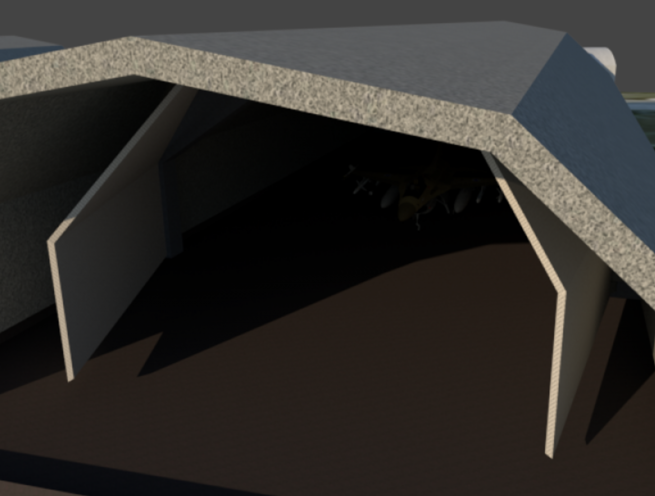
Hardened gate door leaf — blast and fragment-resistant structural door panel in the Type 3 configuration, with reinforced steel carcass, ballistic steel cladding, and hardened concrete fill providing the certified protection performance. Gate frame — blast-rated structural frame embedded in the shelter opening reinforced concrete, providing the primary load transfer path from the gate leaf to the shelter structure under blast loading. Sliding or hinged mechanism — gate travel mechanism providing smooth, reliable automated operation of the heavy hardened gate leaf. Motorized drive — electromechanical or hydraulic drive system providing automated gate opening and closing for launch and recovery operations. Weather sealing — perimeter sealing systems maintaining the weathertight and chemical agent-resistant seal between the gate leaf and the frame in the closed position. Ventilation system interface — door design accommodating the shelter ventilation and engine exhaust system penetrations without compromising blast or chemical protection performance. Control system — gate operation management providing automated, access-controlled, and emergency manual operation capability.
ASSEMBLY & INSTALLATION SEQUENCE
Shelter Engineering & Gate Specification
Shelter opening dimensions, required blast and fragment protection level, chemical sealing requirement, ventilation system interface, weapons storage security requirements, and drive system selection are confirmed with Madoors USA engineers in coordination with the shelter structural engineering team.
Shelter Reinforced Concrete Construction
The hardened aircraft shelter reinforced concrete structure is constructed to the engineering specification — with the gate door frame anchor positions and ventilation penetrations cast into the concrete opening during construction.
Gate Frame Installation & Blast-Rated Anchorage
The blast-rated gate frame is installed in the shelter opening and anchored to the surrounding reinforced concrete structure. Frame alignment, structural connection integrity, and weather seal groove positions are verified.
Gate Leaf Assembly — Carcass, Cladding & Concrete Fill
The reinforced steel carcass is fabricated, ballistic steel cladding is installed, and hardened silica-fume reinforced concrete fill is placed within the carcass cavities during the assembly process. Complete fill coverage and structural continuity within the gate leaf cross-section are verified.
Gate Mechanism & Drive Installation
The gate sliding or hinge mechanism is installed on the gate frame. The motorized electromechanical or hydraulic drive is connected. Gate travel, drive engagement, and full open and close cycle are verified.
Weather & Chemical Sealing Installation
Perimeter weather seals and chemical agent-resistant sealing systems are installed across the full gate perimeter contact. Seal continuity and compression in the closed position are verified.
Ventilation, Fire Prevention & Drainage Systems Integration
Ventilation and engine exhaust system interfaces at the gate position are completed. Fire prevention system coverage of the gate area is verified. Storm drainage system function within the shelter is commissioned.
Certification, Warranty & Handover
NATO standard compliance documentation, independent burst pressure test certification, and 2-year warranty documentation are compiled into the project handover package. Madoors USA engineering sign-off on installation compliance is completed.
DEPLOYMENT SCENARIOS & USE CASES
Madoors USA PAS Type 3 Gate Doors are specified for hardened aircraft shelter installations at military airfields requiring the highest available protection for combat aircraft.
- F-16 and F-35 fighter aircraft hardened shelter gates
- Multi-role combat aircraft NATO hardened shelter gates
- Air superiority fighter shelter blast-resistant gate doors
- Attack aircraft hardened shelter PAS gate systems
- Nuclear weapons storage hardened aircraft shelter gates
- NATO air base hardened aircraft shelter door systems
- Allied nation joint strike fighter hardened shelter gates
- Forward operating base hardened aircraft protection gates
- Strategic air command hardened bomber shelter gates
- Air defense interceptor hardened aircraft shelter gates
- Naval air station hardened carrier aircraft shelter gates
- NATO nuclear storage Weapons Storage Security System shelters
- Chemical warfare threat environment hardened shelter gates
- High-threat theater forward deployment hardened shelter gates
- Allied nation NATO-standard hardened aircraft shelter programs