Infant Baby Newborn Incubator Portable Phototherapy Device
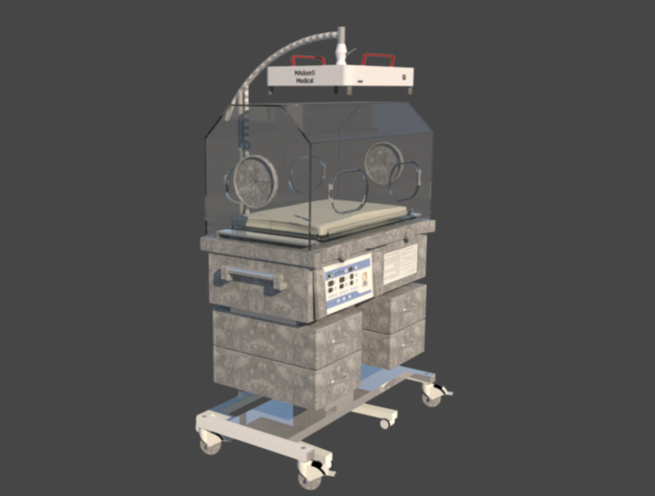
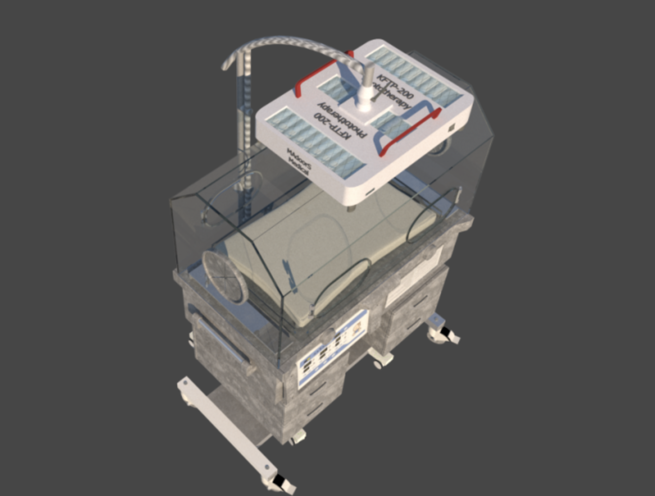
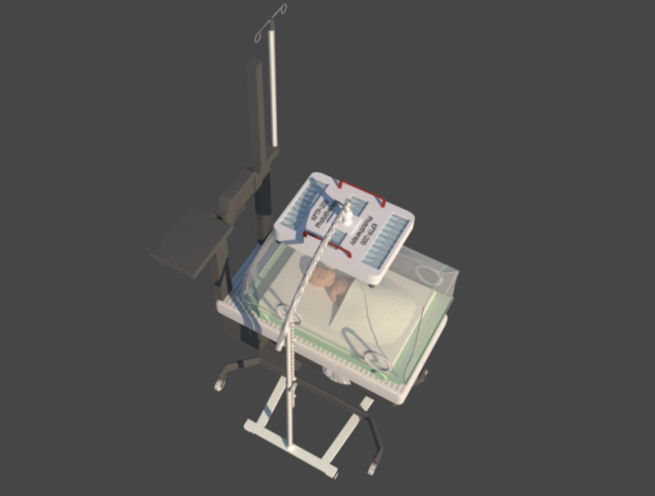
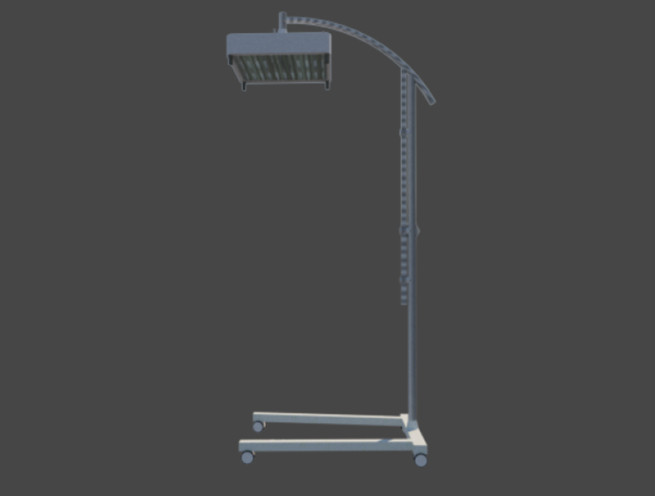
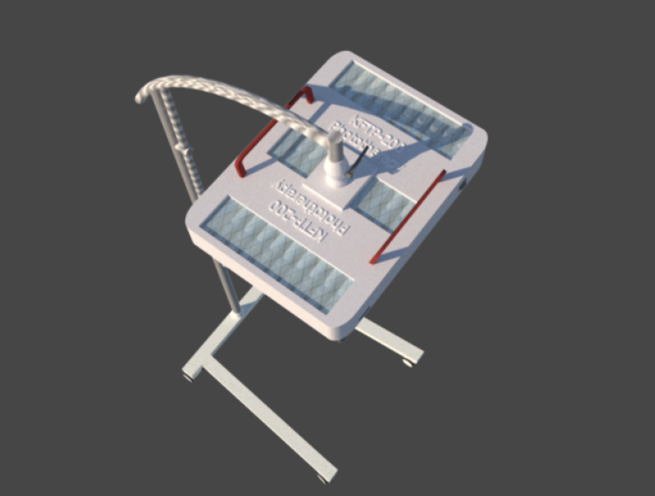
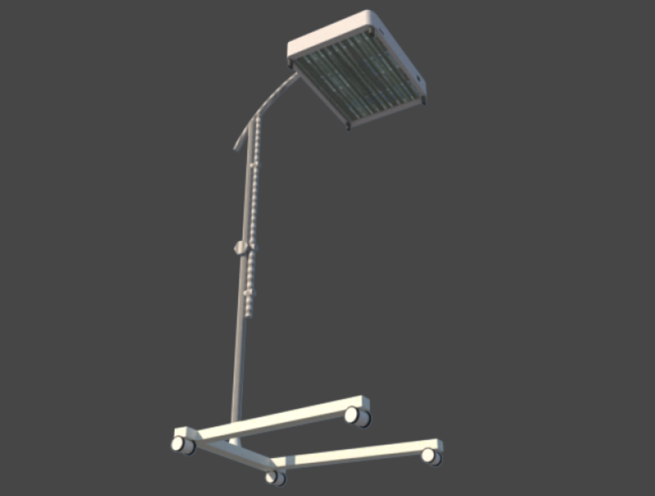
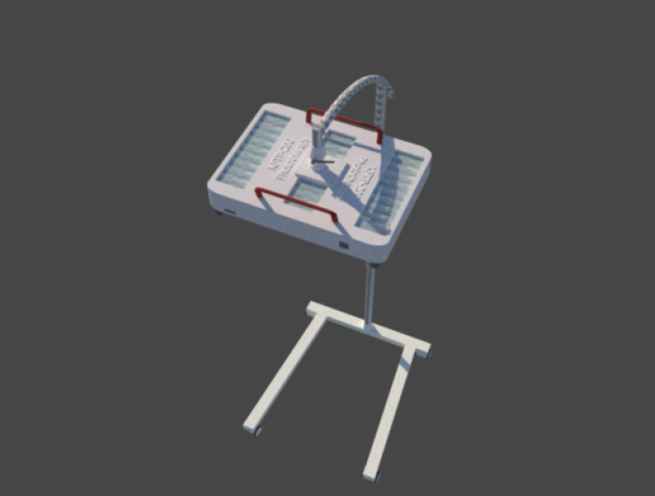
The Madoors USA KFTP-200 Series Infant Baby Newborn Incubator Portable Phototherapy Device is a specialized neonatal medical device combining the controlled environmental benefits of an infant incubator with integrated phototherapy treatment — providing premature and full-term newborns diagnosed with jaundice a stable, controlled temperature, humidity, and oxygen environment while simultaneously treating neonatal hyperbilirubinemia through blue and white LED phototherapy lights emitting the specific therapeutic wavelength that converts bilirubin into water-soluble isomers eliminable without liver conjugation. Portable for easy hospital and clinical setting transport, with integrated vital signs monitoring, protective eye shields for infant eye protection, battery backup for continuous use during transport and power outages, and a user-friendly interface for healthcare providers, the KFTP-200 Series is an essential neonatal care tool providing comprehensive jaundice management from a single integrated system.
TECHNICAL SPECIFICATIONS
The KFTP-200 Series operates on the established phototherapy principle — light emitted at specific wavelengths penetrates the skin and converts bilirubin in the capillaries and interstitial space into water-soluble isomers. These water-soluble photoisomers can be excreted through the urine and bile without requiring hepatic conjugation — providing bilirubin reduction that bypasses the immature conjugation capacity of the neonatal liver. This photochemical conversion is the therapeutic mechanism that makes phototherapy the primary first-line treatment for neonatal hyperbilirubinemia.
The phototherapy light source uses blue and white LED technology — blue LED at the 450-475nm therapeutic wavelength range provides the primary bilirubin photoisomerization effect, and white LED supplements the phototherapy dose while providing illumination for clinical observation of the infant. LED technology provides the specific wavelength accuracy required for therapeutic efficacy, the low heat output required for infant safety within the enclosed incubator environment, the long operational life required for continuous neonatal phototherapy use, and the energy efficiency required for battery backup operation during transport.
The incubator environment control maintains stable temperature, humidity, and oxygen levels — the temperature control maintains the thermoneutral zone for the specific gestational age and weight of the infant, preventing the energy expenditure of thermogenesis that would compete with the metabolic demands of bilirubin processing. Humidity control prevents the insensible water loss that increases with phototherapy light exposure — a specific concern for very premature infants whose skin barrier is immature.
The integrated monitoring system tracks vital signs and bilirubin-relevant parameters throughout the phototherapy treatment — providing the continuous clinical oversight required for safe phototherapy administration. Eye protective shields prevent direct phototherapy light exposure to the infant's eyes — a mandatory safety requirement for all phototherapy devices.
Power options include standard electrical outlet operation and battery backup — the battery backup maintains continuous treatment during transport between clinical areas and during power supply interruptions, ensuring that the therapeutic phototherapy dose is not interrupted by operational logistics.
KEY FEATURES
Combined Incubator & Phototherapy — Integrated Neonatal Care
The integration of incubator environmental control and phototherapy treatment in a single device addresses the primary clinical challenge of neonatal hyperbilirubinemia management — the newborn requiring phototherapy also requires environmental temperature support, particularly premature infants who cannot thermoregulate adequately in open phototherapy equipment. The combined device provides both functions simultaneously without transferring the infant between separate incubator and phototherapy devices — reducing the handling stress, temperature instability, and care complexity that separate equipment requires.
Blue & White LED Phototherapy — Therapeutic Wavelength Delivery
The blue LED wavelength at 450-475nm is the most effective wavelength range for bilirubin photoisomerization — providing the highest available phototherapy efficacy at the lowest effective irradiance. White LED supplements the blue phototherapy and allows clinical observation of the infant's skin color, which is the primary visual indicator of jaundice severity and treatment response. LED technology delivers the therapeutic wavelength precisely without the infrared heat output of conventional fluorescent and halogen phototherapy lamps — directly reducing the risk of overheating within the enclosed incubator environment.
Bilirubin Photoisomerization — Liver-Independent Elimination
The photochemical conversion of bilirubin to water-soluble isomers provides a liver-independent elimination pathway — critically important for the premature infant whose hepatic conjugation capacity is insufficient to clear bilirubin at the rate of production. This phototherapy-mediated elimination directly reduces serum bilirubin levels without requiring the liver maturation that would otherwise be the rate-limiting step in bilirubin clearance.
Portability — In-Hospital Flexible Patient Care
The portable design allowing easy transport within the hospital and clinical setting provides the clinical flexibility required for neonatal phototherapy management — the infant can receive phototherapy in the neonatal intensive care unit, the postnatal ward, the transport corridor, and any other clinical area appropriate for their overall care without interrupting the phototherapy treatment. This portability directly supports the care model where the equipment moves to the patient rather than the patient being moved to the equipment.
Protective Eye Shields — Mandatory Safety Compliance
The integrated protective eye shields for infant eye protection during phototherapy are the mandatory safety provision required for all phototherapy devices — phototherapy light exposure to the unprotected neonatal eye creates retinal and corneal damage risk. The integrated eye shield design ensures that appropriate eye protection is always available with the device and cannot be omitted from the treatment setup.
Monitoring Integration — Continuous Clinical Oversight
The integrated monitoring of vital signs and health parameters provides continuous clinical oversight throughout the phototherapy treatment — the treating clinician has access to the infant's condition data without requiring separate monitoring equipment connection or interruption of the phototherapy session. This continuous oversight supports the clinical decision-making for phototherapy duration, intensity adjustment, and treatment interruption based on the infant's clinical response.
Battery Backup — Continuous Treatment During Transport
The battery backup power option provides continuous phototherapy delivery during in-hospital transport between clinical areas and during power supply interruptions — maintaining the therapeutic phototherapy dose without the treatment gaps that would occur with a power-only device during transport. Continuous treatment delivery is particularly important for infants with rapidly rising or critically elevated bilirubin levels where any treatment interruption delays the achievement of the target bilirubin range.
Premature & Full-Term Versatility
The device accommodates both premature and full-term infants — adapting the environmental control parameters to the specific thermoneutral requirements, insensible water loss rate, and skin barrier maturity of each infant's gestational age. This versatility across the full gestational age range makes the KFTP-200 the comprehensive neonatal phototherapy solution for the complete range of newborns presenting with hyperbilirubinemia.
TREATMENT PROTOCOL
Infant Placement — The newborn is placed inside the incubator in minimal clothing — diaper only or naked — to maximize skin surface exposure to the phototherapy light. Eye protective shields are positioned and confirmed in place before phototherapy light activation.
Environmental Setup — Temperature, humidity, and oxygen are set to the parameters appropriate for the infant's gestational age and weight. The incubator environment is confirmed stable before commencing phototherapy.
Phototherapy Activation — The phototherapy LED lights are activated at the prescribed irradiance level. The monitoring system records the commencement time and initial vital parameters.
Treatment Duration — Treatment continues until serum bilirubin levels have decreased to the clinically safe range for the infant's age and gestational age. Duration is determined by the treating clinician based on bilirubin response, clinical condition, and gestational age — treatment is not terminated at a fixed time but at the achievement of the target bilirubin level.
Monitoring & Assessment — Regular bilirubin level checks, skin condition assessment, and vital signs monitoring are conducted throughout the treatment. Eye shield position, hydration status, and infant temperature are checked at each assessment.
Treatment Cessation — Phototherapy is discontinued when bilirubin levels have decreased to the confirmed safe range. Post-phototherapy bilirubin monitoring confirms that rebound hyperbilirubinemia does not require treatment resumption.
DEPLOYMENT SCENARIOS & USE CASES
Madoors USA KFTP-200 Series Infant Phototherapy Incubators are specified for any neonatal clinical setting requiring combined incubator environment and phototherapy treatment.
- Neonatal intensive care unit jaundice management
- Postnatal ward neonatal phototherapy treatment
- Premature infant ward combined incubator and phototherapy
- Paediatric hospital neonatal care phototherapy
- Community hospital neonatal phototherapy service
- Military hospital neonatal care unit
- Rural and remote hospital neonatal jaundice treatment
- Transport incubator in-transit phototherapy continuation
- Private maternity hospital neonatal phototherapy
- University teaching hospital neonatal unit
- District general hospital neonatal phototherapy
- Specialist children's hospital neonatal service
- Emergency hospital admission neonatal jaundice management
- International medical humanitarian mission neonatal care
- Any neonatal clinical setting requiring portable combined incubator and phototherapy jaundice treatment