Fire And Blast Resistant Modular Building, Structure, Container Units
The Madoors USA Fire and Blast Resistant Modular Building, Structure, and Container Unit range provides engineered, relocatable blast-resistant modular buildings constructed with thick steel walls capable of sustaining and containing high blast pressure — designed to protect personnel, equipment, and critical infrastructure assets in hazardous environments including oil refineries, chemical processing plants, petrochemical facilities, and any industrial site where fire, explosion, and toxic material release threats must be addressed through the built environment. Manufactured in conformance with API RP-752 and API RP-753 recommended practices, with electrical components, plumbing conduits, and all building equipment meeting explosion-resistant classifications, Madoors USA blast-resistant modular buildings combine maximum personnel protection with the unique operational advantage of full mobility — structures can be disassembled, moved, and reassembled at another location using Madoors USA's proprietary mechanical fastening system, providing economical installation, relocation, and reconfiguration capability throughout the operational life of the facility.
TECHNICAL SPECIFICATIONS
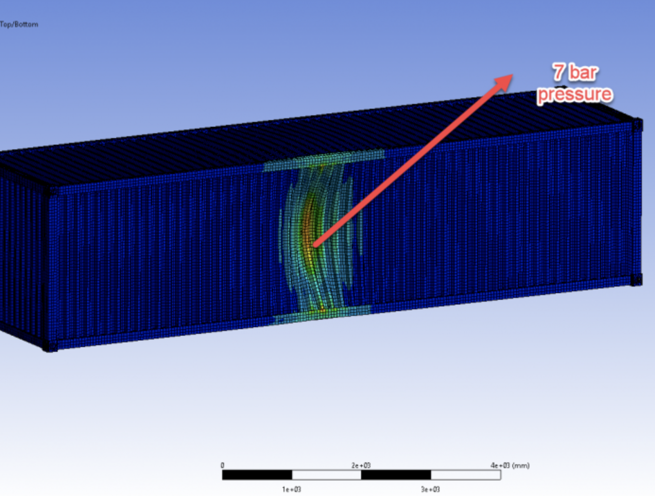
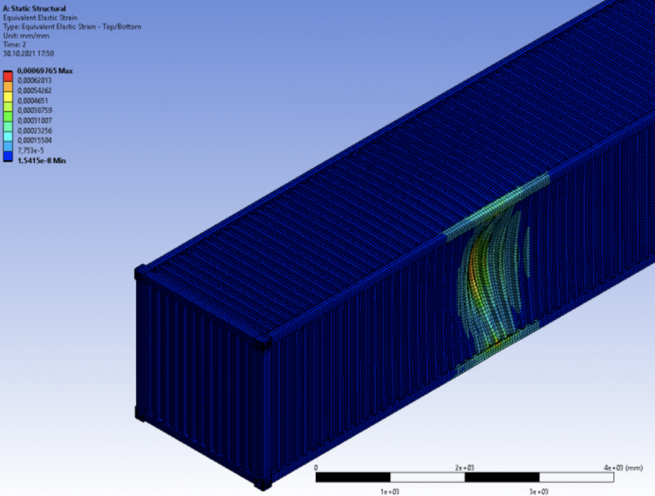
Madoors USA Blast Resistant Modular buildings are constructed with thick steel walls engineered to sustain and contain high blast pressure — with wall thickness, steel specification, and structural connection design determined by the specific blast loading scenario of the installation site in conformance with API RP-752 and API RP-753 recommended practice guidance.
API RP-752 provides guidance for managing risks associated with fires, explosions, and toxic material releases to on-site personnel located in new and existing buildings intended for permanent or semi-permanent occupancy. API RP-753 provides guidance for decreasing risk to personnel located in portable buildings from potential fires, explosions, and toxic release hazards — the specific recommended practice applicable to portable and relocatable blast-resistant modular buildings at petrochemical and industrial sites.
All electrical components within the building are specified and installed to meet explosion-resistant classifications — covering electrical panels, wiring, lighting, and all powered equipment within the building interior. Plumbing conduits and other mechanical building services also meet the explosion-resistant classification requirements applicable to the specific hazardous area zone classification of the installation location. This comprehensive explosion-resistant classification of all building services ensures that no internal ignition source from electrical or mechanical building equipment can initiate an explosion within the module.
Madoors USA's proprietary mechanical fastening system connects individual modules into multi-module building configurations — providing structural connection integrity between modules under blast loading conditions while enabling straightforward disassembly and reassembly for relocation without requiring field welding, cutting, or structural modification of the individual module units.
KEY FEATURES
Thick Steel Wall Construction — High Blast Pressure Containment
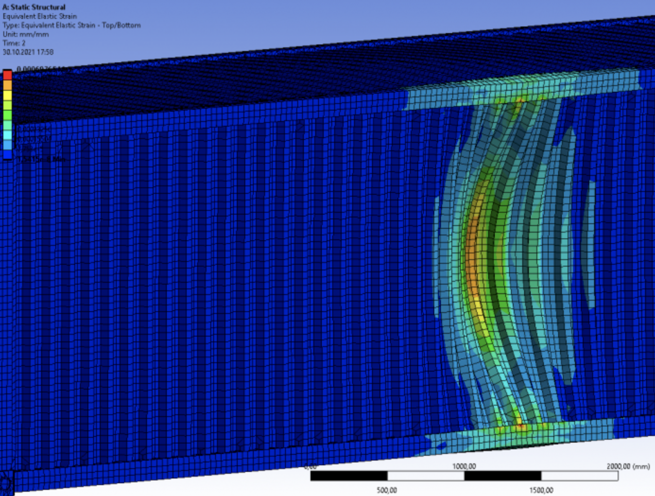
The thick steel wall construction provides the structural mass and rigidity required to sustain and contain high blast pressure — preventing wall collapse, preventing blast wave penetration into the occupied interior, and containing any internal explosion within the module structure. Thick steel wall specification is determined by the site-specific blast loading analysis in conformance with API RP-752 and API RP-753 requirements for the specific occupancy type and explosion risk scenario.
Personnel Protection — Primary Design Goal
The most important goal of the blast-resistant modular building is the protection of the personnel occupying the building during a fire, explosion, or toxic release event at the surrounding facility. The structural design, wall thickness, door and window blast ratings, HVAC isolation systems, and explosion-resistant electrical classification all serve this primary personnel protection objective — ensuring that occupants survive the design blast event with the lowest possible risk of injury.
Equipment & Infrastructure Protection
In addition to personnel protection, blast-resistant modular buildings protect the valuable equipment and critical infrastructure assets contained within — control systems, communications equipment, electrical switchgear, emergency response equipment, and operational continuity infrastructure that must remain functional during and after an explosion event to support the facility's emergency response and recovery operations.
API RP-752 Compliance — Permanent and Existing Buildings
API RP-752 compliance provides the risk management framework for blast-resistant building design at new and existing occupied buildings at petrochemical and process industry sites — covering the siting, structural specification, and occupancy management requirements that reduce personnel risk from fires, explosions, and toxic releases at on-site buildings. Madoors USA blast-resistant modular buildings are designed to satisfy API RP-752 risk management guidance for occupied building applications.
API RP-753 Compliance — Portable Buildings
API RP-753 compliance provides the specific risk management guidance for portable and relocatable buildings at petrochemical sites — the recommended practice directly applicable to blast-resistant modular buildings that may be relocated during the life of the facility. API RP-753 compliance confirms that the portable module design addresses the specific structural and occupancy risks associated with portable building use in explosion hazard environments.
Explosion-Resistant Electrical Classification — All Building Services
All electrical components, wiring systems, lighting, and powered equipment within the building meet explosion-resistant classifications — eliminating internal ignition source risk from building electrical systems in hazardous area zone environments. This classification coverage extends to plumbing conduits and all mechanical building services — providing a completely explosion-classified building interior that does not introduce additional ignition risk beyond the external site hazard.
Full Mobility — Disassemble, Move & Reassemble
The modular building can be fully disassembled into individual module units, transported to a new location, and reassembled — providing operational flexibility unavailable from permanent blast-resistant building construction. This full mobility capability allows the building to follow operational requirements as facility layouts change, be relocated to new sites as project phases move, and be recovered from completed projects for redeployment at new facilities — generating significant long-term asset value compared to permanent construction that has zero relocation value.
Proprietary Mechanical Fastening System — Economical Relocation
Madoors USA's proprietary mechanical fastening system connects modules into multi-module building configurations without field welding or structural modification — providing both the structural integrity required for blast resistance under the design loading and the straightforward disassembly and reassembly capability required for economical relocation. This proprietary system is the engineering basis of the cost-effective relocation advantage of Madoors USA blast-resistant modular buildings over competitor products using welded or permanently bonded module connections.
Seamless Design Customization — Any Project Requirement
Blast-resistant modular building designs can be seamlessly modified during the design and engineering phase to meet any project-specific requirement — building footprint, interior layout, occupancy capacity, HVAC specification, explosion-resistant electrical classification, blast pressure rating, door and window specification, and finishing standard. This design flexibility allows Madoors USA to provide a customized blast-resistant modular building precisely matched to the operational, regulatory, and protective requirements of each specific project without constraining the client to standard product configurations.
Corporate Liability Reduction
Investing in certified blast-resistant modular buildings to protect on-site personnel from known explosion and fire hazards directly reduces corporate liability exposure — demonstrating that additional protective steps have been taken to protect human lives and reduce injuries beyond the minimum regulatory compliance requirements. This liability reduction benefit complements the direct personnel protection value and the asset protection value of the blast-resistant modular building investment.
BUILDING CONFIGURATION OPTIONS
Single Module Unit
A single blast-resistant module provides contained, self-sufficient blast-resistant accommodation for small personnel groups — control room operators, emergency response teams, security personnel, and essential technical staff at petrochemical and industrial facility sites. Single module configurations are the most rapidly deployable and most easily relocated blast-resistant building option.
Multi-Module Connected Complex
Multiple modules connected using the Madoors USA proprietary mechanical fastening system form larger blast-resistant building complexes — providing expanded floor area, multiple functional zones, and higher occupancy capacity within a single connected blast-resistant structure. Multi-module configurations cover control room and emergency response room combinations, operations center and administrative accommodation combinations, and any other multi-function building requirement at petrochemical and industrial facility sites.
Container-Type Module Configuration
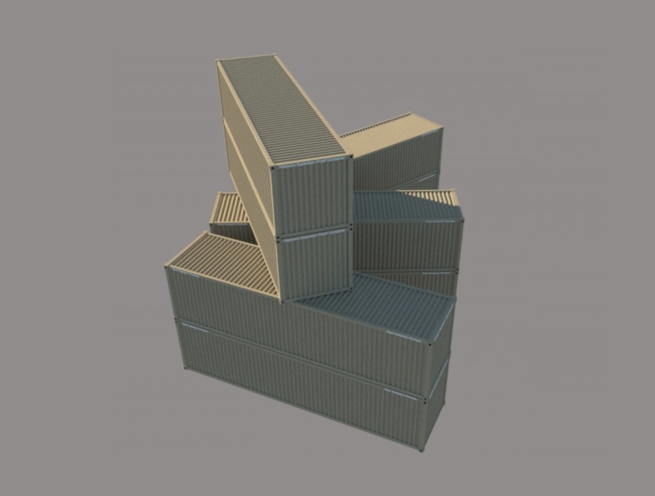
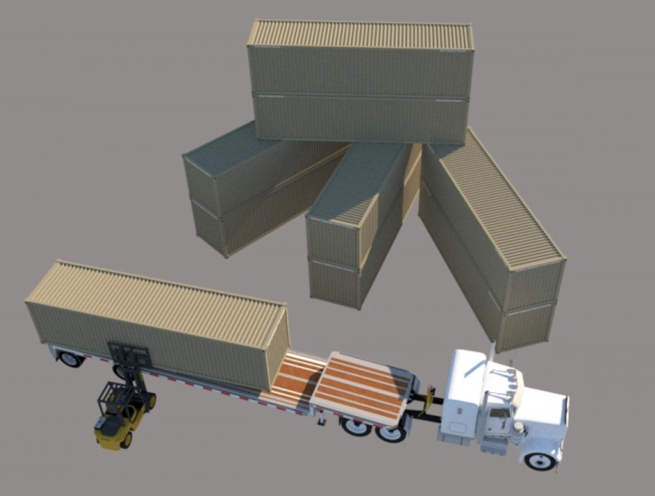
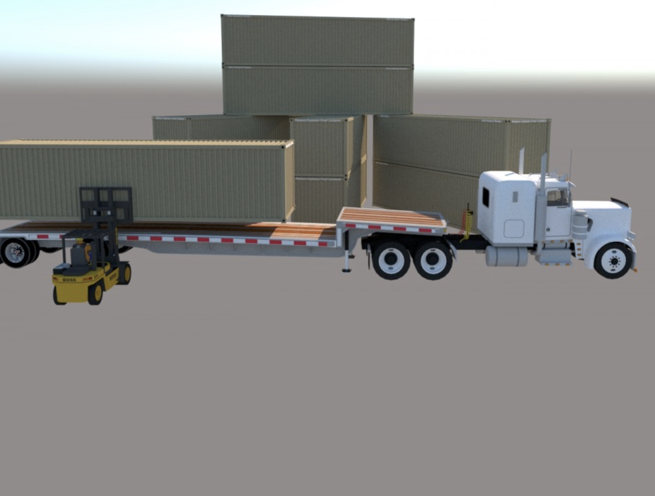
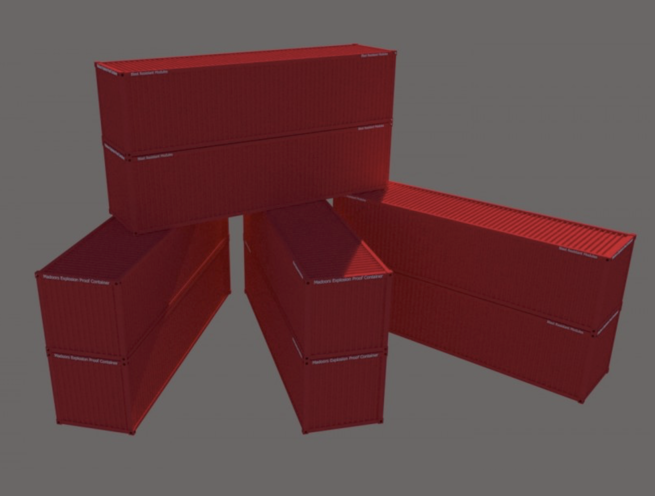
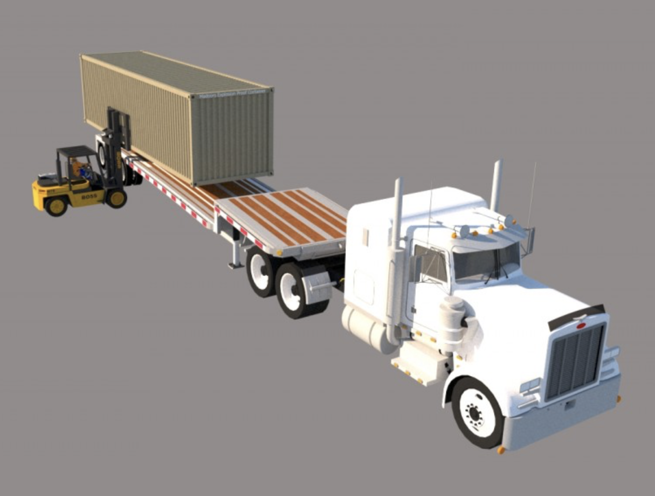
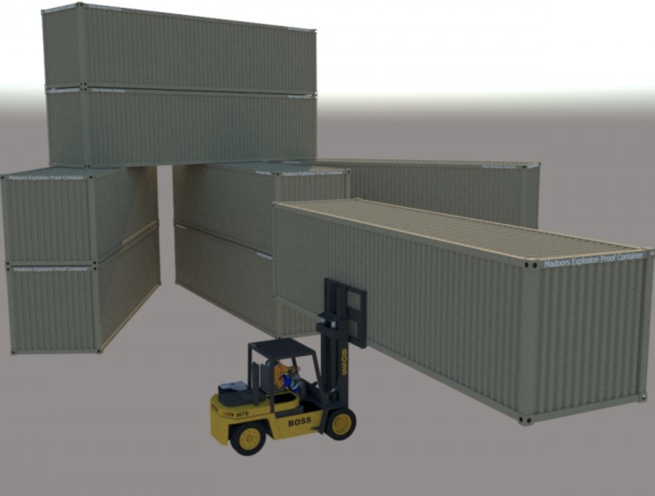
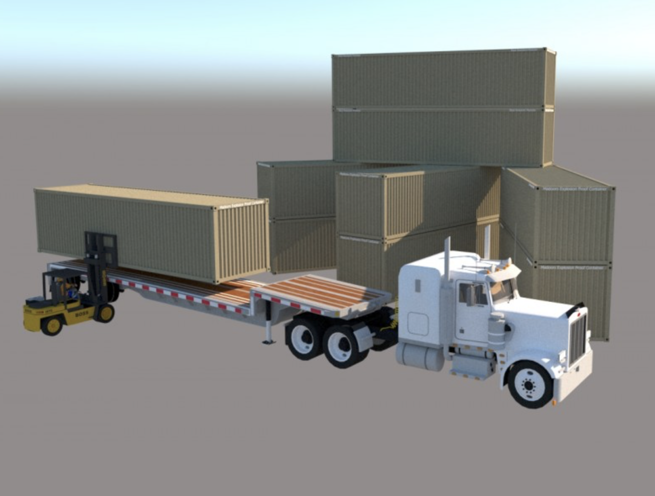
Container-format blast-resistant modules are dimensioned and structured for standard shipping container handling and transport — providing crane-liftable, flatbed-transportable blast-resistant building units that can be deployed and relocated using standard container handling infrastructure available at petrochemical, port, and industrial facility sites worldwide.
ASSEMBLY & INSTALLATION SEQUENCE
Site Hazard Assessment & API Compliance Review The installation site is assessed for explosion, fire, and toxic release hazard scenarios in conformance with API RP-752 and API RP-753 guidance. Blast loading at the proposed building location is calculated. Required blast pressure resistance, occupancy capacity, functional requirements, and explosion-resistant electrical classification zone are confirmed.
Building Design & Engineering The blast-resistant modular building design is engineered to the confirmed blast loading and occupancy requirements — with wall thickness, structural connection design, door and window blast ratings, HVAC specification, and explosion-resistant electrical classification all determined by the specific site hazard assessment. API RP-752 and API RP-753 compliance is confirmed in the design documentation.
Factory Manufacture & Quality Verification Individual module units are manufactured at the factory to the confirmed design specification — with thick steel wall construction, proprietary fastening system connection hardware, explosion-resistant electrical and mechanical systems, and all interior fitout completed at the factory before dispatch. Factory quality verification confirms structural specification compliance before the modules leave the manufacturing facility.
Transport to Site Module units are transported to the installation site on flatbed transport vehicles or by crane from container handling equipment. Container-format modules use standard container handling infrastructure for site delivery.
Foundation Preparation A level, load-bearing foundation surface is prepared at the confirmed building location — concrete pad, compacted gravel, or structural steel frame depending on the site ground conditions and the specific module configuration.
Module Placement & Proprietary Fastening Connection Individual module units are crane-lifted and positioned on the prepared foundation in the confirmed multi-module layout. Madoors USA proprietary mechanical fastening system connections between adjacent modules are made and torqued to the specified installation settings — creating the structurally integrated multi-module building.
Services Connection & HVAC Commissioning Electrical supply, communications, water, drainage, and HVAC connections between modules and between the building and the site services infrastructure are made and tested. HVAC isolation and air handling systems for toxic release protection are commissioned and tested.
Explosion-Resistant Electrical System Verification All electrical installations are inspected and verified for correct explosion-resistant classification compliance with the hazardous area zone classification of the installation location. All electrical connection integrity and classification continuity are confirmed.
Operational Testing & Handover Complete building operational testing — HVAC, electrical, communications, lighting, and door and window operation — is conducted. API RP-752 and API RP-753 compliance documentation, structural engineering records, explosion-resistant classification documentation, and installation records are compiled into the project handover package.
DEPLOYMENT SCENARIOS & USE CASES
Madoors USA Fire and Blast Resistant Modular Buildings are deployed across the full range of petrochemical, industrial, military, and emergency response facility applications requiring relocatable blast-resistant personnel protection.
- Petrochemical plant control room blast-resistant modules
- Oil refinery operations center blast-resistant buildings
- Chemical processing facility personnel protection modules
- LNG terminal blast-resistant operations and control buildings
- Offshore platform blast-resistant accommodation modules
- Pharmaceutical manufacturing explosion hazard facility modules
- Military forward operating base blast-resistant command modules
- Government emergency operations center blast-resistant buildings
- Nuclear facility blast-resistant personnel protection buildings
- Mining facility explosion hazard zone blast-resistant offices
- Airport fuel storage facility blast-resistant operations buildings
- Wastewater treatment biogas zone blast-resistant control rooms
- Power generation facility blast-resistant control buildings
- Industrial accident emergency response blast-resistant shelters
- Construction site blast-resistant welfare and operations facilities