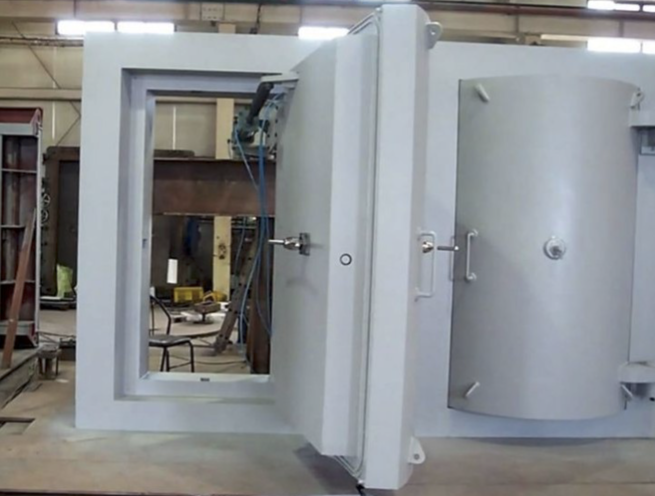
Explosion Blast Proof Resistant Gate Door
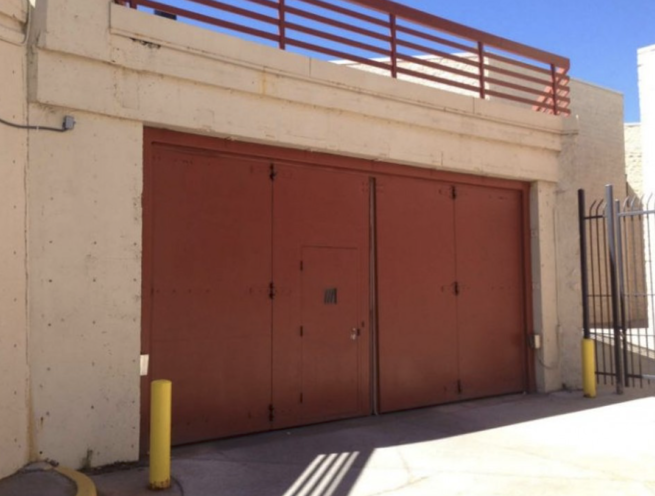
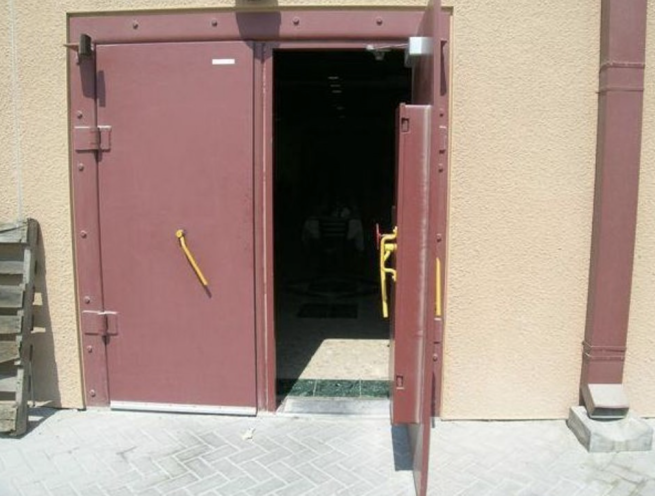
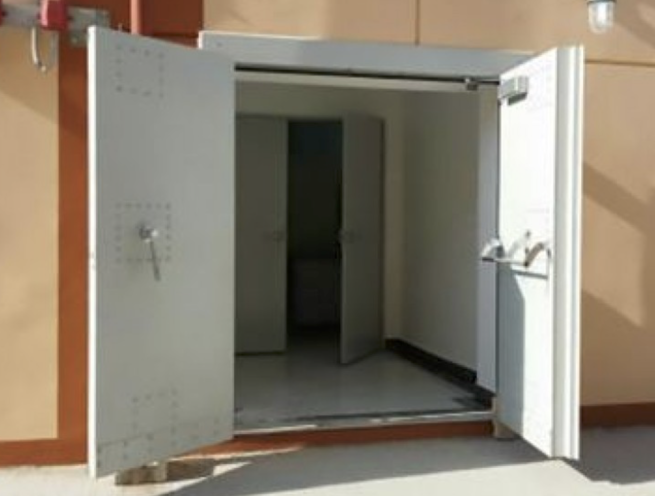
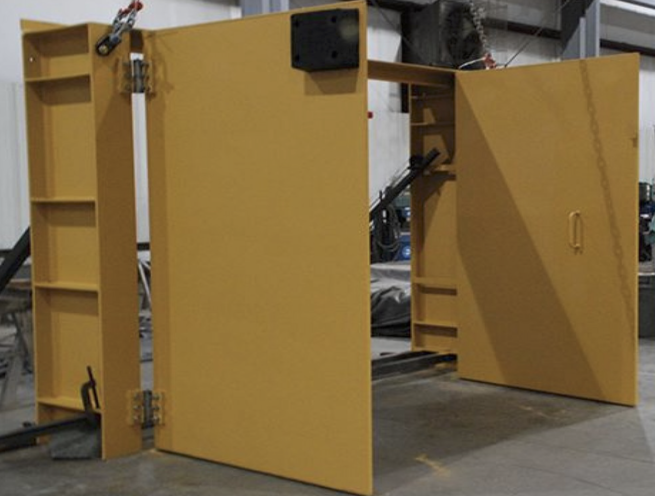
The Madoors USA Explosion Blast Proof Resistant Gate Door is a certified blast-resistant and ballistic-resistant door system independently tested to ISO/FDIS 16933 — capable of withstanding blast loading equivalent to 1,100 pounds of TNT with a 9-point locking system, achieving Category I post-blast performance where the door remains closed and fully operable after sustaining the design blast load. Manufactured in aluminum and steel in single leaf and double leaf configurations, with clear glazing rated to stop AK-47 rounds, 2-hour intrusion resistance, UL and NIJ certified bullet resistance, and maximum blast resistance up to 930 PSI — the Madoors USA blast door is the highest-rated blast door available for military installations, embassies, commercial buildings, banks, petroleum facilities, and police stations where combined blast and ballistic resistance is required.
TECHNICAL SPECIFICATIONS
The Madoors USA Blast Resistant Door achieves the following certified performance specifications. Blast resistance: up to 930 PSI — the highest rated blast door specification in the Madoors USA range, achieved through the structural design of the door leaf, frame, 9-point locking system, reinforced hinges, and shoot bolts. TNT equivalent withstand: 1,100 pounds of TNT — the explosive mass at the relevant standoff distance that generates the certified design blast pressure. Post-blast performance category: Category I — the door remained closed post-blast and was fully operable after testing, confirming that the door can still be opened for evacuation after sustaining the design explosion.
Ballistic protection: UL and NIJ certified bullet resistance covering both aluminum and steel door construction types. Clear glazing rated to stop AK-47 rounds — providing protected vision panels that maintain the door's ballistic integrity at all glazed apertures. Intrusion resistance: 2 hours — the door resists sustained forced entry attempts for a minimum of 2 hours, satisfying high-security access control requirements at military and government facilities.
Locking system: 9-point — shoot bolts and locking points are distributed across nine positions around the door perimeter, engaging the frame at multiple points simultaneously to distribute the unseated blast pressure loading across the full frame-to-door contact perimeter rather than concentrating load at a single latch point.
Construction materials: aluminum and steel — with material selection based on the specific blast pressure rating, weight requirements, corrosion resistance needs, and installation environment of each project. Both aluminum and steel door sets are available in single leaf and double leaf configurations.
Thermal insulation: purpose-specific door set insulation and seals prevent sweating and cold transfer from the external face to the internal face — maintaining a stable internal temperature environment for munitions storage and temperature-sensitive facility applications while maintaining the required blast containment performance.
Design methodology: all blast door specifications are initiated from the static seated and unseated blast pressure as defined by the client. The door leaf is designed to take the seated blast pressure and remain in the elastic range — recovering its original geometry after the blast event. The hinges and shoot bolts are designed to take the unseated blast pressure — the explosive force applied to the door when the surrounding structure has failed or been displaced. All calculations are independently verified after receipt of the customer specification.
KEY FEATURES
Category I Post-Blast Performance — Remains Closed & Operable
The Madoors USA blast door achieved Category I performance in independent testing — the door remained closed after sustaining the design blast load and was fully operable immediately post-blast. Category I is the highest achievable post-blast performance category — confirming that personnel can evacuate through the door immediately after an explosion event without requiring door repair, forced opening, or alternative egress. This post-blast operability is a critical life safety requirement for blast doors at occupied military, embassy, and institutional facilities.
930 PSI Maximum Blast Resistance
The maximum 930 PSI blast resistance specification represents the highest-rated blast door performance available in the Madoors USA range — covering the extreme overpressure levels generated by very large explosive events at close range, including large vehicle-borne IED detonations, military ordnance, and industrial accident explosions. This maximum specification satisfies the most demanding government, military, and petroleum industry blast door procurement requirements.
9-Point Locking System — Perimeter Load Distribution
The 9-point locking system distributes the unseated blast pressure load across nine engagement points around the door perimeter — the frame-to-door contact at each shoot bolt and locking point carries a fraction of the total blast force, preventing the concentrated overloading of a single latch point that causes blast door failure in conventional single-point locking systems. Nine-point distribution is the engineering basis for achieving the certified 930 PSI and 1,100 lb TNT blast resistance within the structural capacity of the door leaf and frame.
1,100 Pounds TNT Equivalent Withstand
The door is certified to withstand the blast loading generated by 1,100 pounds of TNT at the relevant standoff distance — covering the explosive mass of vehicle-borne IED attacks, large suicide vest detonations, and significant industrial explosive events. This TNT equivalent specification provides a practical reference for security engineers calculating the blast loading at specific standoff distances for the explosive threats relevant to each facility.
AK-47 Rated Clear Glazing — Ballistic Vision Panels
Clear glazing rated to stop AK-47 rounds is available for vision panel apertures in the blast door — providing the same ballistic protection at the glazed aperture as the surrounding door leaf, eliminating the ballistic vulnerability that unprotected glazing creates at door vision panels. AK-47 ballistic glazing covers the 7.62mm × 39 assault rifle round that is the most widely deployed military assault rifle caliber globally.
2-Hour Intrusion Resistance
The door provides 2-hour forced entry resistance — maintaining the integrity of the barrier against sustained mechanical attack for a minimum of 2 hours. This intrusion resistance rating satisfies the access control requirements of military armories, high-security government facilities, and bank vaults where extended forced entry resistance is a procurement specification requirement alongside blast protection.
UL & NIJ Certified Bullet Resistance
Both aluminum and steel door constructions carry UL and NIJ ballistic certification — providing independently verified bullet resistance documentation for both the American UL 752 and NIJ ballistic standards. Dual-standard certification satisfies government, military, and institutional procurement specifications for certified bullet-resistant door systems across the full range of procurement frameworks used in different market segments and geographic regions.
Aluminum & Steel Construction Options
Two construction material options cover different application requirements. Steel construction provides the highest structural mass for maximum blast pressure resistance and is the preferred material for the highest-rated blast door specifications. Aluminum construction provides reduced weight for applications where door weight is a constraint from the surrounding structural opening, hinge loading, or transport requirements — while maintaining UL and NIJ bullet resistance certification.
Single Leaf & Double Leaf Configurations
Single leaf and double leaf door configurations cover the full range of standard and wide-format door opening dimensions encountered at military, embassy, and institutional facility applications. Double leaf configuration provides a wider clear opening for high-traffic or equipment access requirements while maintaining the full blast resistance and ballistic certification of the single leaf design through coordinated 9-point locking on both leaves.
Explosion & Fire Containment — Category I Closed Post-Blast
The blast door's primary function in explosion and fire containment applications is to remain fully intact and closed during and after the blast event — containing the blast pressure wave, fire, and thermal effects within the protected space and preventing propagation to adjacent areas. Category I certification confirms this containment function has been independently verified in testing — the door remained closed post-blast and was still fully operable.
Thermal Insulation — Munitions Storage Environment
Purpose-specific door set insulation and seals maintain stable internal temperature conditions for munitions storage applications — preventing condensation and sweating on the internal face that would damage temperature-sensitive explosive materials, and preventing cold transfer from the external ambient temperature to the temperature-controlled internal environment. Thermal insulation design is integrated with blast containment design — both functions are achieved simultaneously within the single door specification.
Elastic Range Door Leaf Design — Seated Blast Pressure
The door leaf structural design maintains the panel within its elastic range under the seated blast pressure — meaning the door leaf deflects under blast load and returns to its original geometry after the blast event without permanent deformation. This elastic recovery is the engineering basis of the Category I post-blast operability requirement — a door leaf that permanently deforms under blast loading cannot return to its frame engagement geometry and cannot remain operable post-blast.
Reinforced Hinges & Shoot Bolts — Unseated Blast Pressure
Hinges and shoot bolts are structurally designed for the unseated blast pressure — the higher-magnitude pressure that acts on the door when the surrounding structure has been displaced or damaged. Reinforced hinges maintain the door leaf engagement with the frame when the frame has moved, and reinforced shoot bolts maintain their engagement with the frame strike plates under the dynamic loading of blast pressure application without shear failure or pull-out.
ISO/FDIS 16933 Independent Testing
All Madoors USA blast door designs are independently tested in accordance with ISO/FDIS 16933 — the international standard for glass in buildings subject to explosion pressure testing. Independent testing provides the certification documentation required for government, military, and institutional procurement compliance — confirming that the blast performance claimed is independently substantiated by physical testing rather than engineering calculation alone.
ASSEMBLY & INSTALLATION SEQUENCE
Client Specification Receipt & Independent Calculation Verification Client blast pressure specification — seated and unseated — TNT equivalent, standoff distance, required post-blast performance category, ballistic protection level, intrusion resistance requirement, and insulation specification are received. Independent structural calculations are conducted and verified for the specific blast loading and door configuration. ISO/FDIS 16933 test certification is confirmed.
Door Leaf & Frame Engineering Design The door leaf is designed to remain in the elastic range under the specified seated blast pressure. Hinges and shoot bolts are dimensioned for the unseated blast pressure. The 9-point locking system layout is designed for the specific door dimensions to achieve the required blast load distribution around the frame perimeter.
Manufacturing — Aluminum or Steel Door leaf, frame, 9-point locking hardware, reinforced hinges, shoot bolts, and clear ballistic glazing are manufactured in the specified material to the confirmed design dimensions. Thermal insulation and purpose-specific seals are installed within the door set during manufacturing.
Structural Opening Preparation The structural opening in the blast-rated wall is prepared to the confirmed frame dimensions. Anchor positions for frame-to-wall connections are designed and installed to transfer the unseated blast pressure from the frame into the surrounding structural wall without anchor failure.
Frame Installation & Blast-Rated Anchorage The blast-resistant door frame is installed in the structural opening and anchored to the surrounding wall at all specified anchor positions. Frame alignment and anchor torque are verified to the blast-rated installation specification.
Door Leaf Hanging & 9-Point Locking Installation The door leaf is hung on the reinforced hinges. All 9 shoot bolts and locking point mechanisms are installed and engagement with the frame strike plates is verified at each position. AK-47 rated clear glazing vision panels are installed and ballistic continuity at panel edges is verified.
Post-Blast Operability Testing & Certification Handover Complete door function testing across all 9 locking points, ballistic glazing integrity, thermal seal performance, and manual operation is conducted. ISO/FDIS 16933 independent test certification, UL and NIJ ballistic certification, and intrusion resistance test documentation are compiled into the project handover package.
DEPLOYMENT SCENARIOS & USE CASES
Madoors USA Explosion Blast Proof Resistant Gate Doors are specified for any facility opening where combined blast resistance, ballistic protection, intrusion resistance, and post-blast operability are simultaneously required.
- Military barracks and installation blast-resistant access doors
- Embassy and diplomatic facility high-security blast doors
- Commercial building and corporate headquarters blast doors
- Bank vault and financial institution high-security doors
- Petroleum facility and refinery blast-resistant doors
- Police station and law enforcement facility blast doors
- Military armory and ammunition depot blast containment doors
- Government secure room and classified facility blast doors
- Nuclear facility blast-resistant access doors
- Industrial explosion hazard facility blast containment doors
- Airport high-security area blast-resistant doors
- Hospital and critical facility emergency shelter blast doors
- Petrochemical plant control room blast doors
- Data center and critical infrastructure blast-resistant doors
- Court complex and justice facility high-security blast doors