Please provide your technical specifications and project requirements for the Drop-Down Flood Control Barrier. Our engineers will review your application and provide a detailed manufacturing quote, including exact pricing and lead times.
Drop-Down Flood Control Barrier
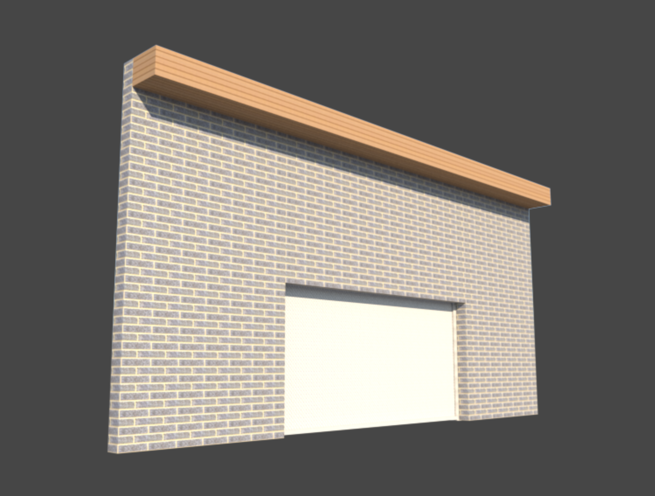
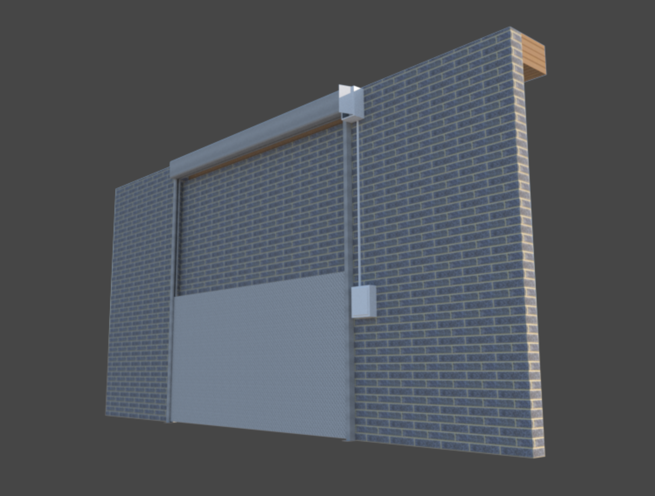
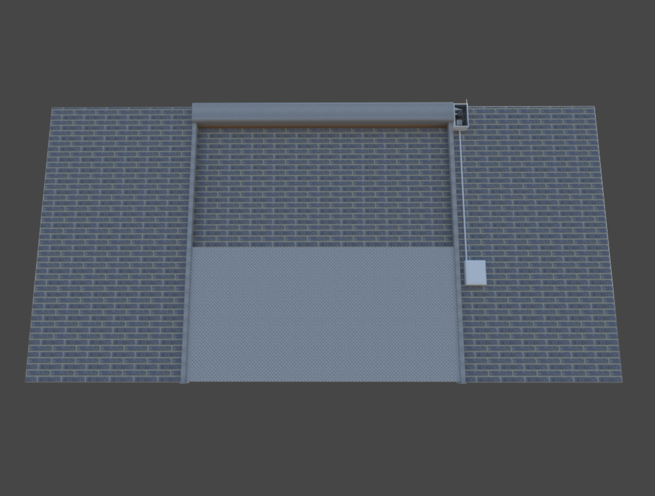
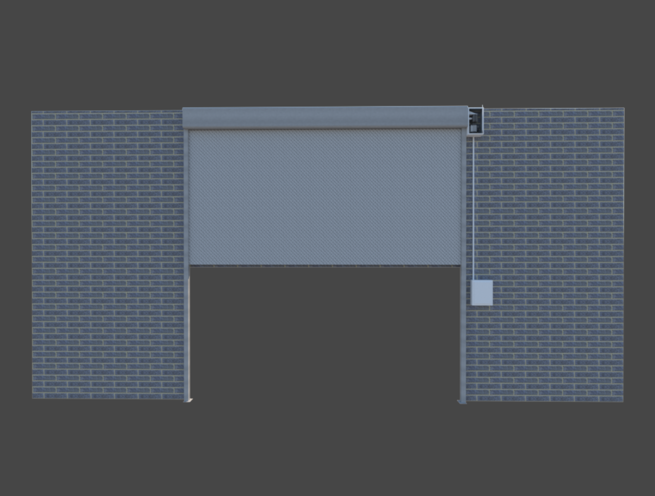
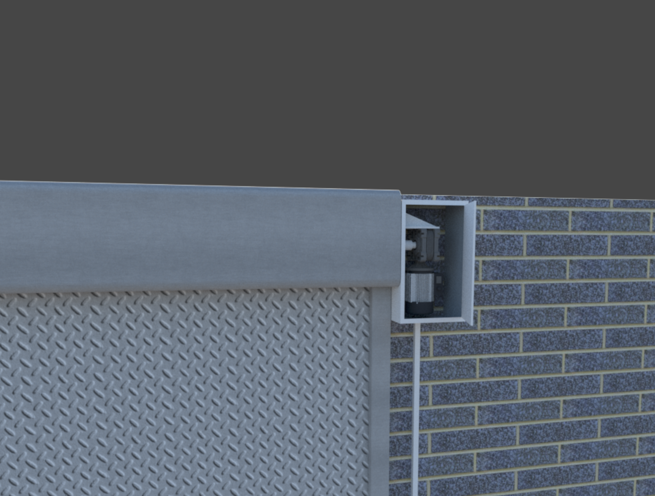
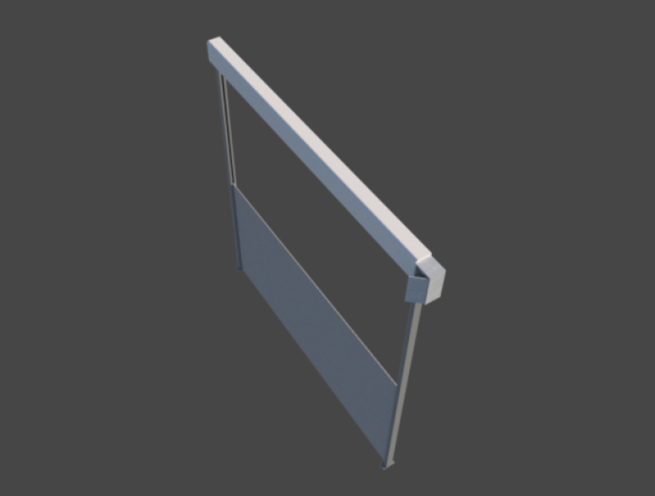
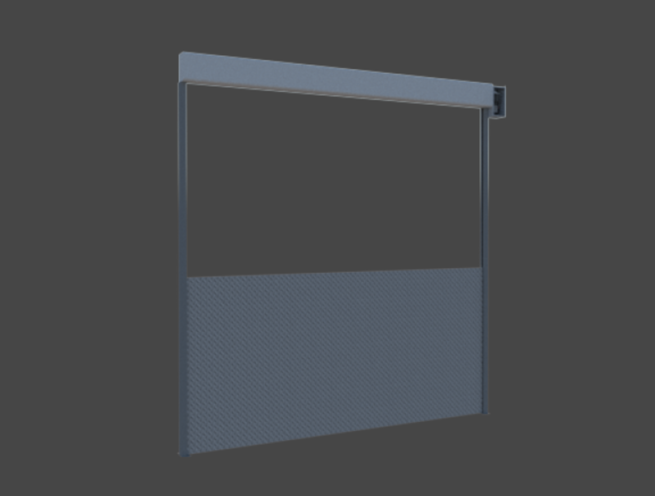
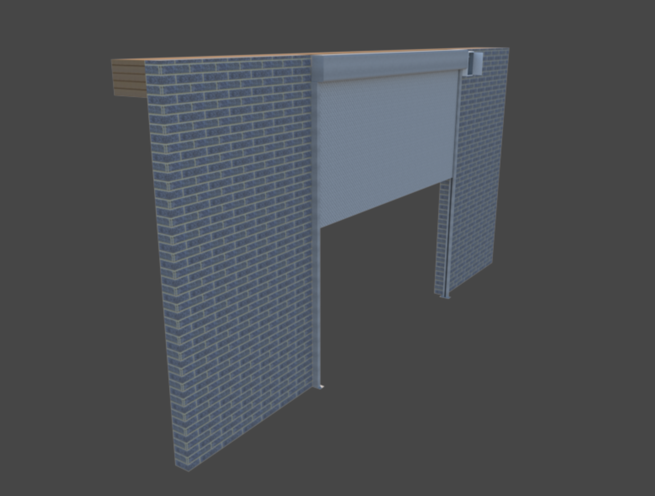
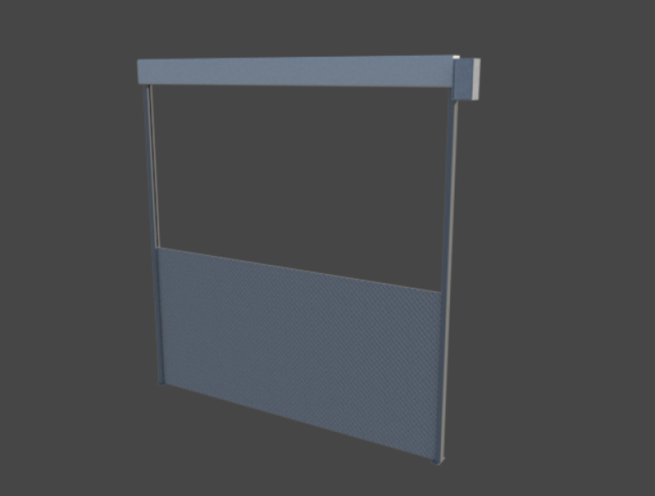
The Madoors USA Drop-Down Flood Control Barrier is an automatic overhead-mounted flood defense system that stores unobtrusively above the head of the protected opening when not in use — ready to be lowered at a moment's notice by automatic water sensor activation, push-button control, remote command, water or smoke detection, or security alarm trigger. Direct drive electric motors smoothly and precisely lower the barrier to the flood defense position and firmly lock it in place, forming an efficient and dependable flood barrier on a dead-level threshold with no excavation or civil works required for installation.
Suitable for prestigious architectural locations — hotel lobbies, plazas, shopping centers, and corporate headquarters — as well as essential industrial applications at factory entrances and loading bays, the drop-down barrier can be finished in any RAL color, stainless steel, or stone cladding matched to the surrounding building facade. A 24V backup system ensures operation during mains power failure, a built-in free-fall dead-stop braking system provides safety during motor operation, and an overriding pulley system allows safe manual lowering and raising if the motorized drive is unavailable.
TECHNICAL SPECIFICATIONS
The Madoors USA Drop-Down Flood Barrier operates on 220V AC or 380V AC mains power with a 24V backup system maintaining full operation during mains supply failure. The direct drive electric motor system provides smooth, precise barrier lowering into the flood defense position and positive locking in place once the barrier reaches the closed position. Motor operation incorporates a built-in free-fall dead-stop braking system as standard — preventing uncontrolled barrier descent in the event of motor failure or unexpected load release during lowering, and providing a safe controlled stop at any point in the travel range.
A pulley system is installed on all barriers as a secondary manual override — allowing the barrier to be manually lowered and raised safely if the motorized drive system is unavailable for any reason. This manual override provides complete operational independence from electrical supply and motorized drive system availability.
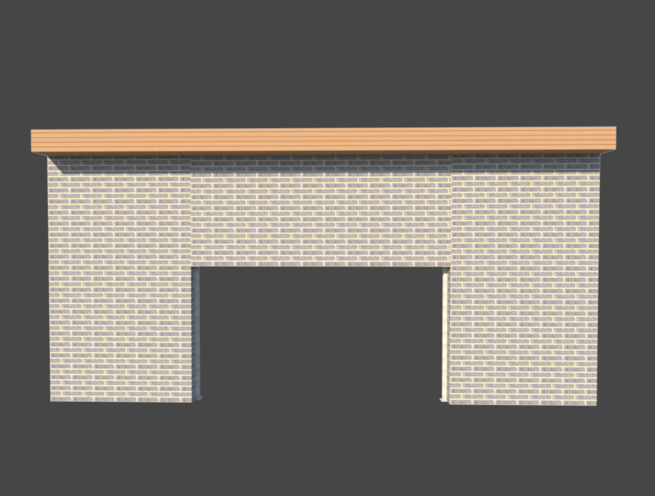
The barrier stores above the opening head when not in use — positioned within the wall or facade thickness where possible, or in a surface-mounted housing where wall depth does not permit full concealment. This overhead storage position eliminates the floor-level installation pit required by recessed flood barriers and allows installation on dead-level thresholds without any excavation, channel cutting, or civil works to the floor surface.
Sensors and trigger options include automatic water level sensors detecting rising floodwater, smoke detectors for fire-related flood scenarios, security alarm system triggers for integrated building management activation, touch sensors, and motion sensors. Remote activation allows the barrier to be operated from a control point distant from the barrier location. Audio and visual alarms warn personnel that the barrier is in motion during lowering and raising cycles.
Available finishes include any RAL color powder coating, stainless steel, and stone cladding — with stone cladding matching the surrounding building facade material and profile to make the barrier housing visually indistinguishable from the surrounding wall when not in use.
KEY FEATURES
Overhead Storage — Unobtrusive When Not in Use
The barrier is stored above the opening head when not deployed — positioned within the wall or in a surface-mounted housing above the door or entrance opening. This overhead position makes the barrier completely unobtrusive during normal building operations, preserving the visual character of prestigious architectural entrances and commercial facades without the visual disruption of a floor-level barrier housing or pit cover plate.
No Excavation — Dead-Level Threshold Installation
The drop-down barrier requires no excavation, channel cutting, or floor civil works for installation — the barrier lowers from above onto a dead-level threshold with no floor penetration or subsurface structure. This zero-excavation installation is the primary operational advantage over surface-mounted pivot and fold-up barriers that require floor seal channels, and recessed barriers that require below-grade pit construction. Dead-level threshold compatibility also means the barrier can be installed at vehicle and forklift access points without creating a threshold step that would impede normal operations.
Direct Drive Electric Motor — Smooth & Precise Lowering
The direct drive electric motor system provides smooth, precise barrier lowering without the mechanical play, backlash, and wear of gear-train drive systems — delivering consistent, controlled barrier travel speed and a positive locked position on every cycle. Direct drive also simplifies maintenance by eliminating gear train components that require periodic adjustment and lubrication.
Built-In Free-Fall Dead-Stop Braking System
All motors incorporate a built-in free-fall dead-stop braking system as standard — automatically arresting barrier descent in the event of motor failure, power interruption, or unexpected load release during the lowering cycle. This braking system prevents the barrier from falling uncontrolled to the floor surface, eliminating the injury risk to personnel below and the damage risk to the barrier body and floor that uncontrolled descent would cause.
Manual Override Pulley System
All drop-down barriers are installed with a pulley system that overrides the motorized drive and allows the barrier to be manually lowered and raised safely without electrical or motor drive availability. This manual override provides complete operational independence for flood defense deployment in the event of power outage or motor failure — ensuring that the barrier can always be deployed manually when automatic systems are unavailable.
Multiple Activation Triggers — Automatic & Manual
The barrier activates through automatic water level sensors detecting rising floodwater for fully automatic flood defense without operator intervention, push-button control for operator-managed activation, remote activation for control from a distant point, smoke detector trigger for fire-related flooding scenarios, security alarm system trigger for integrated building emergency response, and touch and motion sensor integration for enhanced safety during barrier movement. This multi-trigger flexibility allows the barrier activation system to be configured precisely for the specific building management and emergency response protocols of each installation.
24V Battery Backup — Mains Failure Operation
The integrated 24V backup system maintains full barrier operation during mains power supply failure — ensuring that the barrier can be lowered to the flood defense position even when the building's mains electrical supply has been interrupted. Mains power failure is a common consequence of severe flood events, making battery backup an essential operational requirement for any automatic flood barrier system intended to provide reliable protection at the most critical moment of a flood emergency.
Audio & Visual Alarms During Operation
Audio and visual alarms activate when the barrier is in motion — warning personnel in the vicinity that the barrier is lowering or raising and ensuring that no one is caught under the descending barrier during automatic activation. Warning system activation begins before barrier movement commences and continues throughout the full travel range.
Prestigious Location Suitability — Hotel, Plaza & Corporate
The combination of overhead concealed storage, any RAL color finish, stainless steel option, and stone cladding matched to the surrounding facade makes the Madoors USA drop-down barrier equally suitable for prestigious architectural locations — hotel lobbies, corporate headquarters, shopping center entrances, and public plazas — as for essential industrial and commercial flood protection at factory entrances and loading bays. No other flood barrier type achieves this level of visual discretion when not deployed.
Stone Cladding — Facade-Matched Housing
The barrier housing can be clad in stone matching the surrounding building facade material and profile — making the barrier housing visually indistinguishable from the surrounding wall construction when the barrier is in the stored position. Stone cladding capability makes the drop-down barrier the only practical flood defense solution for heritage, conservation area, and premium architectural installations where any visible flood barrier housing would be architecturally unacceptable.
Factory Entrances & Loading Bay Application
At factory entrances and loading bay positions — where vehicle and forklift access must be maintained without floor threshold steps during normal operations and rapid flood protection must be available at short notice — the dead-level threshold, no-excavation, overhead-stored drop-down barrier is the most operationally compatible flood defense solution, providing flood protection without compromising the operational requirements of the loading access point.
ASSEMBLY & INSTALLATION SEQUENCE
Opening Assessment & Housing Configuration
The opening width, available header space for barrier housing — within wall depth or surface-mounted — power supply position, sensor type selection, and facade finish requirements are confirmed. RAL color, stainless steel, or stone cladding specification is confirmed for both the barrier body and the housing.
Header & Housing Installation
The barrier housing is installed at the opening head position — recessed within the wall where depth permits, or surface-mounted above the opening. Housing alignment, structural fixing to the surrounding wall or lintel, and access for motor maintenance are verified. No floor excavation or civil works are required at this stage.
Direct Drive Motor & Barrier Body Installation
The direct drive motor unit is installed within the housing. The barrier body is hung from the motor drive system within the housing in the fully retracted stored position. Motor drive connection, barrier travel geometry, and free-fall braking system engagement are verified.
Pulley Manual Override System Installation
The pulley manual override system is installed within or adjacent to the housing. Manual lowering and raising function is tested independently of motor drive operation to confirm full manual override capability.
Sensor & Trigger System Installation
Water level sensors, smoke detectors, security alarm interfaces, touch sensors, and motion sensors are installed at the specified positions and connected to the barrier control system. Remote activation interface is configured. All trigger sources are tested for correct barrier activation response.
Audio & Visual Alarm Installation
Audio and visual warning devices are installed at positions providing coverage of the full zone adjacent to the barrier. Warning activation prior to and during barrier movement is tested for each trigger source.
Battery Backup Connection & Mains Failure Testing
The 24V battery backup system is connected and charged. Mains power failure operation is tested by simulating supply interruption and verifying continued automatic sensor activation and motor-driven barrier lowering from battery power.
Facade & Stone Cladding Installation (Where Specified)
Stone or facade cladding is applied to the barrier housing exterior to match the surrounding building facade material. Cladding alignment, profile matching, and fixing integrity are verified.
Full Operational Testing & Handover
Complete operational testing is conducted across all automatic sensor triggers, push-button, remote, smoke detector, and security alarm activation modes — and manual pulley override. Free-fall braking response, dead-level floor seal, motor locking in closed position, and battery backup operation are all verified. Installation handover documentation is completed.
DEPLOYMENT SCENARIOS & USE CASES
Madoors USA Drop-Down Flood Control Barriers are specified for any building opening requiring automatic, overhead-stored flood defense with zero floor excavation and prestigious architectural finish options.
- Hotel lobby and entrance flood barrier installation
- Corporate headquarters main entrance flood protection
- Shopping center and retail mall entrance flood barriers
- Public plaza building entrance flood defense
- Bank branch and financial institution entrance flood barriers
- Museum and cultural institution entrance flood protection
- Factory entrance and loading bay flood barrier systems
- Office building ground-floor entrance flood defense
- Hospital and healthcare facility entrance flood barriers
- Underground car park ramp drop-down flood barriers
- Heritage and conservation area building flood protection
- Restaurant and hospitality ground-floor entrance flood barriers
- Retail storefront drop-down flood barrier installation
- Residential apartment building lobby flood defense
- Airport terminal and transport hub entrance flood barriers
- Category: Flood Defence Systems