COVID-19 Coronavirus Patient Intubation Cabinet
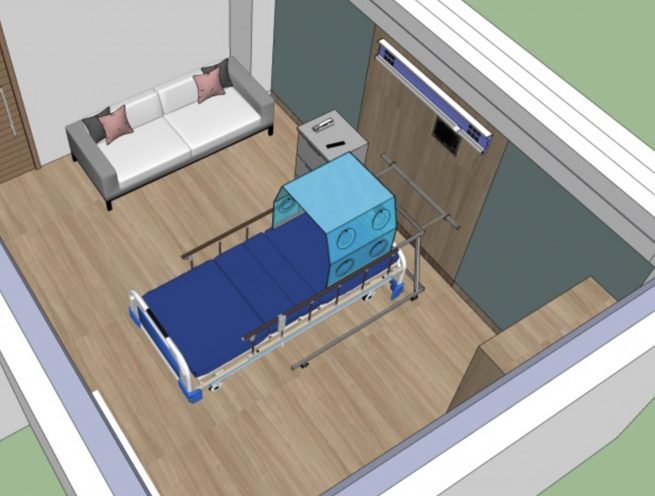
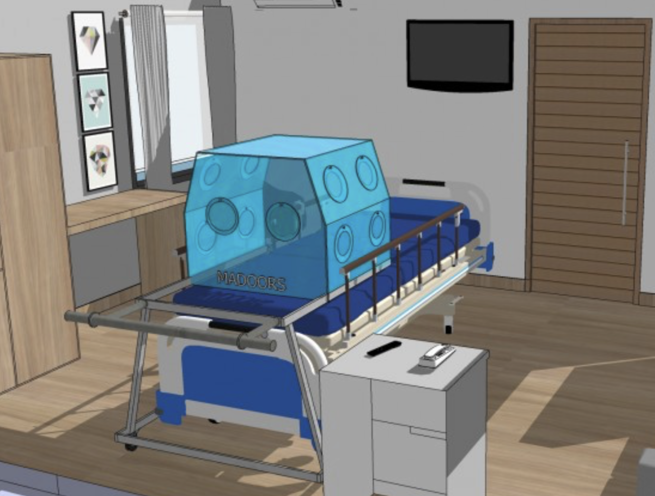
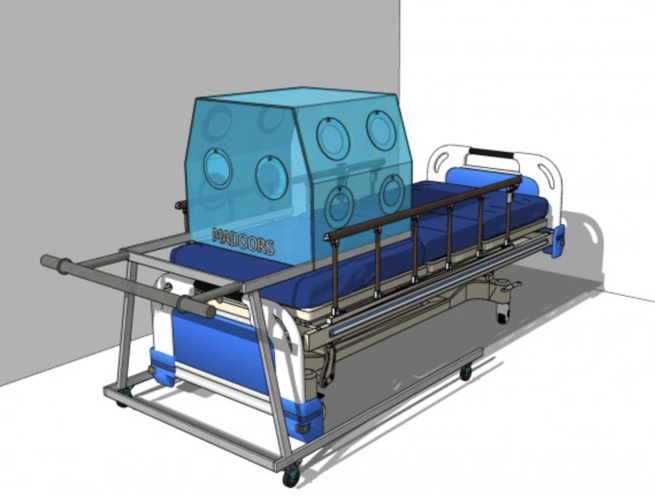
The Madoors USA COVID-19 Coronavirus Patient Intubation Cabinet is a protective enclosure system for intubated patients — designed to protect doctors and healthcare personnel from COVID-19 and coronavirus infection during intubation procedures while ensuring the continuity of the healthcare organization's critical care capability. Manufactured from antibacterial, solid, unbreakable material with an aluminum chassis, four swivel steel wheels for easy movement, adjustable docking to the patient's bed, and 360-degree rotating intervention lids that allow doctors to insert their arms for patient intervention without direct exposure to the infectious patient's respiratory environment, the Madoors USA Intubation Cabinet is an essential protective barrier for intensive care units, field hospitals, and any clinical facility managing intubated COVID-19 patients.
TECHNICAL SPECIFICATIONS
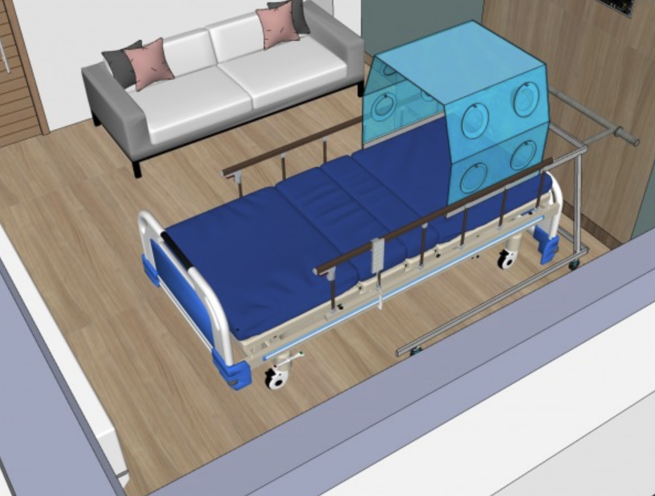
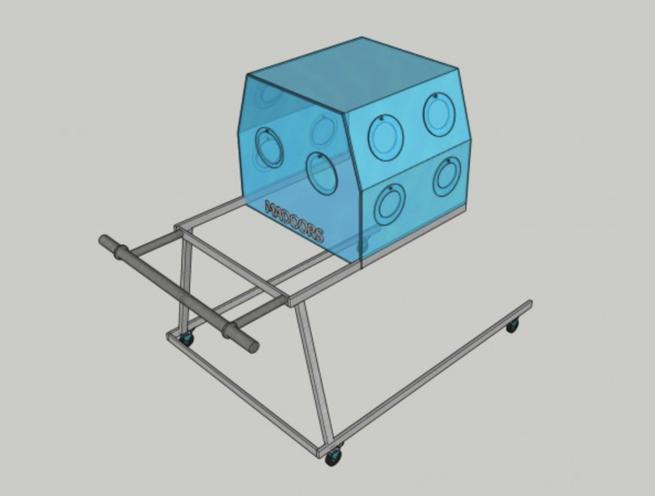
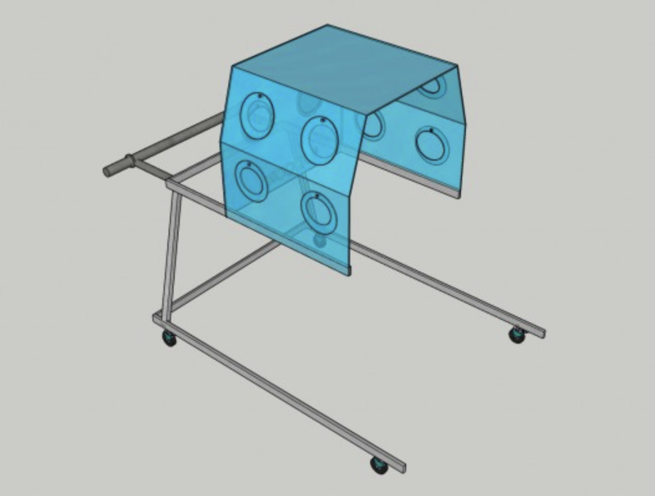
The Madoors USA Patient Intubation Cabinet is constructed on a complete aluminum chassis — providing the lightweight structural frame required for easy mobility and positioning in the confined clinical environment of ICU and critical care areas. Four swivel steel wheels under the chassis allow the cabinet to be moved very easily in all directions — the swivel wheel system provides the precise maneuvering capability required to navigate the cabinet between patient beds, around bedside equipment, and into the exact docking position at the patient's bed.
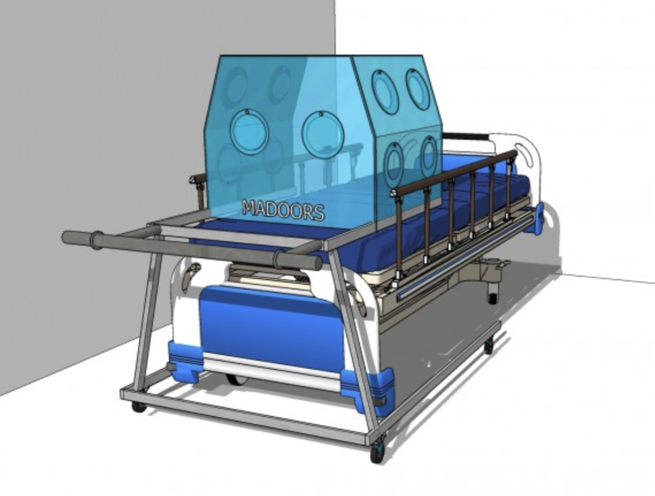
The cabinet is adjustable to dock with the patient's bed at the correct height and position — the adjustable docking system accommodates different bed heights and patient positioning requirements, ensuring that the cabinet maintains the correct sealed relationship between the enclosure and the bed surface regardless of the specific bed configuration in use.
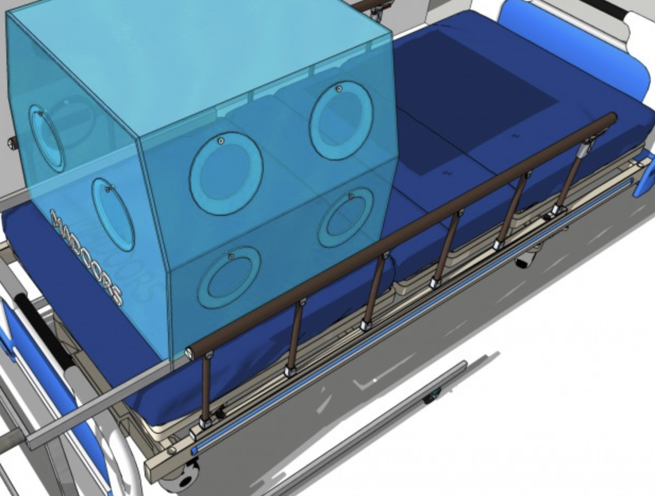
The intervention entries are positioned to allow doctors to insert their arms into the intubation cabin for patient intervention — providing the physical access required to perform intubation, airway management, and other critical care interventions on the patient while maintaining the barrier between the doctor's face and respiratory zone and the patient's infectious respiratory environment. The intervention entry lids rotate 360 degrees — the lid seals around the doctor's arms while allowing the full range of rotational arm movement required for intubation procedures. The lid systems are made of the same material as the intubated tube — confirming material compatibility and the same safety and cleanability standards as the clinical tubing in direct patient contact.
The cabinet body is manufactured from antibacterial, solid, unbreakable material — the antibacterial property directly inhibits microbial colonization of the cabinet surface between cleaning cycles, the solid construction resists the impact and contact loads of the busy ICU environment, and the unbreakable material prevents the structural failure that would expose the doctor to the patient's infectious respiratory environment at the most critical moment.
KEY FEATURES
360-Degree Rotating Intervention Lids — Full Arm Movement During Intubation
The 360-degree rotating lids at the arm intervention entries provide the complete rotational freedom required for intubation technique — the physical demands of laryngoscopy, tube placement, and airway management require the clinician to rotate and angle their arms and hands through a wide range of positions. The 360-degree rotation directly accommodates the full procedural range of motion without the intervention lid creating a movement restriction that would compromise intubation technique or require the protective barrier to be removed.
Doctor & Healthcare Personnel COVID-19 Protection
The primary purpose of the intubation cabinet is the protection of doctors and healthcare personnel from COVID-19 and coronavirus infection during the highest-risk clinical procedure — intubation. Intubation generates aerosols directly from the patient's airway, creating the maximum viral load exposure risk for the clinician performing the procedure. The cabinet barrier between the clinician's face, eyes, and respiratory zone and the patient's aerosol-generating airway directly reduces this exposure risk, supporting the continuity of the healthcare organization by protecting the clinical staff who perform this essential procedure.
Antibacterial Solid Unbreakable Material — Clinical Durability
The antibacterial construction material provides continuous surface microbial inhibition — reducing the bioburden on the cabinet surface between cleaning events and directly supporting the infection control management of the ICU environment. The solid, unbreakable construction provides the mechanical durability required for the physically demanding ICU environment where equipment is frequently moved, contacted, and subjected to the cleaning and disinfection chemicals required for COVID-19 surface decontamination. Unbreakable construction is the critical safety requirement — a fractured cabinet in the middle of an intubation procedure would expose the clinician to the patient's aerosol environment at the most dangerous moment.
Aluminum Chassis & Swivel Steel Wheels — Easy ICU Navigation
The aluminum chassis provides the lightweight structural support required for easy single-operator repositioning in the ICU — the cabinet can be moved by one person to any required position without the physical effort that heavier material construction would require. Four swivel steel wheels provide the complete directional maneuverability required for navigation in the confined space between ICU beds, around monitors, ventilators, and infusion pumps, and into the precise docked position at the patient bed.
Adjustable Bed Docking — Universal Bed Compatibility
The adjustable docking system accommodates the range of ICU bed heights and configurations used across different hospital and field hospital settings — ensuring that the cabinet maintains its protective relationship with the patient's bed surface regardless of the specific bed model. This universal compatibility directly supports deployment across different clinical settings and international deployments where the specific bed equipment may vary.
Intubated Tube Compatible Material — Clinical Safety
The lid system material compatibility with the intubated tube material confirms that the intervention entry lids are manufactured from a material meeting the same clinical safety, cleanability, and chemical resistance standards as the intubation tubing — appropriate for the close-proximity clinical environment where the lid contacts the doctor's arms during the intubation procedure.
Healthcare Organization Continuity
The cabinet's protection of medical personnel from COVID-19 infection during the highest-risk intubation procedure directly supports the continuity of the healthcare organization — preventing the loss of trained doctors and critical care nurses to COVID-19 infection acquired during intubation procedures. The protection of healthcare personnel is the essential enabling condition for the sustained delivery of critical care during an epidemic — without protected staff, the critical care capacity of the healthcare system collapses regardless of the availability of other equipment.
CLINICAL APPLICATION
The Intubation Cabinet is positioned at the head of the patient bed with the cabinet enclosure over the patient's head and upper chest — the intervention entry lids are positioned to allow the clinician's arms to pass into the enclosure at the correct anatomical position for laryngoscopy and intubation. The cabinet is docked to the bed height and the four swivel wheels are locked in position for stability during the procedure.
The clinician inserts their arms through the 360-degree rotating lids — the lids seal around the arms, maintaining the barrier between the patient's respiratory aerosol environment within the cabinet and the clinician's face and body outside. The clinician performs laryngoscopy, visualization of the vocal cords, tube placement, cuff inflation, and tube position confirmation through the arm entries with the full rotational range of motion provided by the 360-degree lids.
After the procedure, the cabinet is undocked from the bed and moved to the decontamination area. The antibacterial surface is cleaned and disinfected with the standard COVID-19 clinical disinfection protocol. The cabinet is ready for the next intubation procedure.
DEPLOYMENT SCENARIOS & USE CASES
Madoors USA COVID-19 Patient Intubation Cabinets are specified for any clinical facility managing intubated COVID-19 and coronavirus patients.
- Hospital intensive care unit intubated COVID-19 patient protection
- COVID-19 field hospital critical care intubation protection
- Emergency department COVID-19 rapid sequence intubation
- Modular container field hospital critical care unit
- Military field hospital COVID-19 critical care protection
- Portable trailer hospital intubation procedure protection
- Ambulance COVID-19 intubation procedure barrier
- Disaster response field hospital intubated patient care
- Remote region hospital COVID-19 critical care unit
- International humanitarian mission COVID-19 field hospital
- Refugee camp epidemic field hospital critical care
- Epidemic response national field hospital ICU units
- Private hospital COVID-19 intensive care unit protection
- Teaching hospital COVID-19 training and clinical use
- Any clinical setting requiring doctor protection during COVID-19 patient intubation procedures