Please provide your technical specifications and project requirements for the Bomb Disposal Water Disruptors. Our engineers will review your application and provide a detailed manufacturing quote, including exact pricing and lead times.
Bomb Disposal Water Disruptors
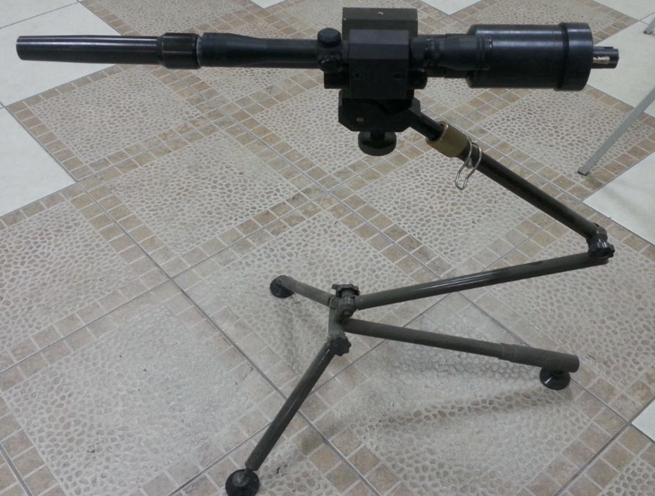
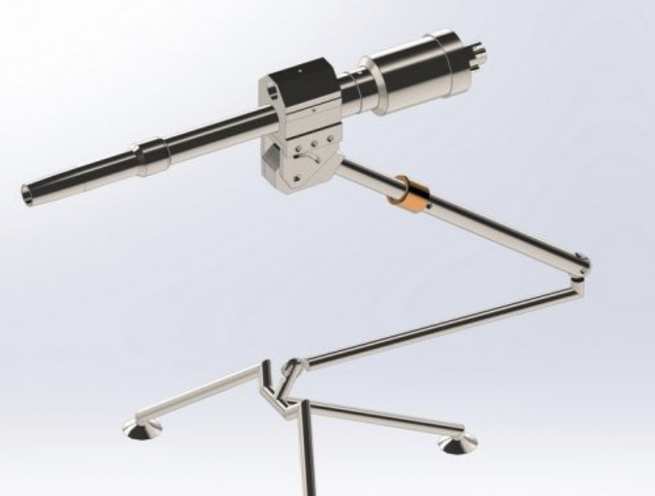
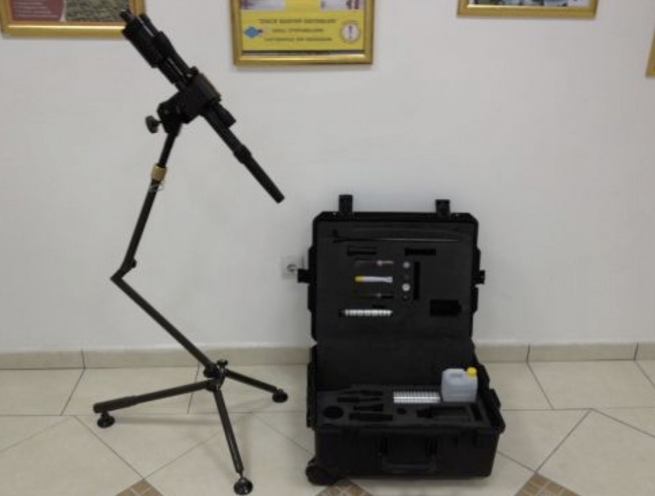
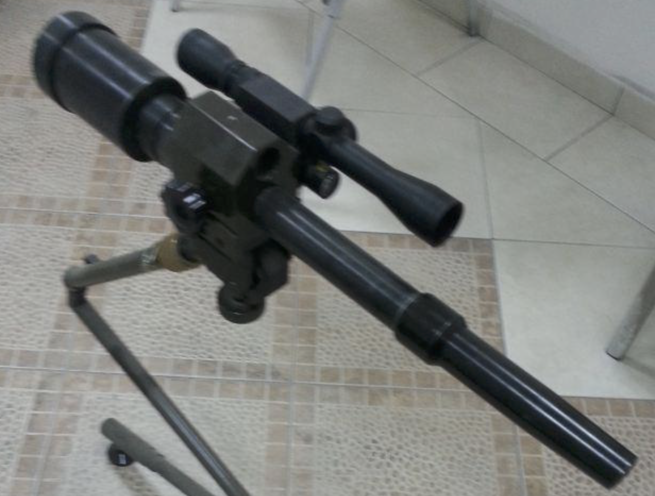
The Madoors USA Bomb Disposal Water Disruptor is a high-probability IED render-safe system engineered to disrupt improvised explosive devices by projecting a very high-velocity jet of cool liquid directly into the device — severing detonation cord, disrupting initiator circuitry, and rendering the device inert without triggering full detonation of the main explosive charge. Comprising a specially designed large-caliber liquid container with a high-pressure muzzle, laser sight option, multi-shock absorption mounting system, and compatibility with both water and explosive loading configurations, the Madoors USA water disruptor is effective against the full range of IED types encountered in military, law enforcement, and civilian EOD operations.
Water disruption is the globally established standard render-safe technique for remotely accessible IEDs — deployed by bomb disposal teams worldwide and integrated with EOD robot platforms including the Wheelbarrow device for use in combat zones where IEDs are deployed in close proximity to civilians. Madoors USA water disruptors are available in directional format — known as a Bootbanger — and omni-directional format — known as a Bottler — with the selection of format made by the bomb disposal technician based on the specific device configuration and operational environment.
TECHNICAL SPECIFICATIONS
The Madoors USA Water Disruptor is a large-caliber liquid projectile disruption system loaded by the end user with water, explosive charge, and a conventional detonator fitted in the designated receptacle. The explosive charge drives the liquid column at very high velocity through the high-pressure muzzle and into the target device, delivering the kinetic energy and hydrostatic shock required to sever detonation cord and destroy initiator circuitry before the firing signal can complete the detonation sequence.
The multi-shock absorption mechanism reduces the recoil transmitted to the disruptor mount by 40% compared to common disruptor systems — a significant mechanical advantage that extends the service life of the mounting system, reduces the risk of mount damage during firing, and improves placement stability when the disruptor is deployed on EOD robot platforms or fixed mounting positions in confined spaces. The specially designed mount prevents overturn caused by recoil, maintaining the disruptor in position and preserving the alignment of the liquid jet with the target point on the device after firing.
An optional laser sight is available for precision target point aiming — critical for maximizing disruption effectiveness by directing the water jet to the specific location of the initiator circuit or detonation cord within the device body. Accurate aiming is the primary factor determining render-safe success probability in water disruption operations.
Two disruption formats are available. The directional Bootbanger format projects the water jet in a single focused direction, providing maximum penetration depth and velocity for linear target geometries such as detonation cord runs and enclosed device bodies accessed from one face. The omni-directional Bottler format distributes the water projectile in multiple directions simultaneously, providing coverage of IED configurations where the initiator circuitry location within the device is uncertain or where the device has multiple potential detonation paths requiring simultaneous disruption.
KEY FEATURES
High-Velocity Cool Liquid Jet — IED Circuit Disruption
The high-pressure muzzle generates a very high-velocity jet of cool liquid that penetrates the IED body and severs detonation cord and initiator circuitry before the firing signal can complete the detonation sequence. The use of cool liquid — rather than thermal or mechanical disruption methods — eliminates the heat ignition risk associated with cutting or burning approaches to IED render-safe, making water disruption the safest available technique for devices where thermal sensitivity of the explosive charge is unknown.
Large-Scale Caliber Liquid Container
The specially designed large-caliber liquid container provides the fluid volume and chamber geometry required to generate the high-pressure, high-velocity liquid column that delivers effective disruption energy to the target device. The large-caliber design is specifically engineered to optimize the shape and velocity profile of the projected water jet for maximum penetration and circuit disruption effectiveness against the full range of IED configurations encountered in operational EOD scenarios.
40% Reduced Recoil — Multi-Shock Absorption Mechanism
The multi-shock absorption mechanism reduces the recoil transmitted to the disruptor mount by 40% compared to standard disruptor systems, directly extending the service life of the mounting hardware, reducing the risk of mount damage and misalignment during firing sequences, and improving operational reliability when the disruptor is deployed on robot arm mounts or temporary field positions where mount structural integrity is a limiting factor.
Anti-Overturn Mount Design
The specially designed mount prevents overturn caused by firing recoil, maintaining the disruptor in position and alignment after discharge. This anti-overturn stability is particularly important for robot-mounted deployment where mount overturn would misalign the disruptor for any subsequent firing and require robotic repositioning before re-engagement — consuming operational time in time-critical render-safe scenarios.
Optional Laser Sight — Precision Target Aiming
The optional laser sight allows the bomb disposal technician or EOD robot camera operator to verify and confirm the precise aiming point of the disruptor on the target device before firing — maximizing the probability that the high-velocity water jet strikes the detonation cord or initiator circuit at the optimal disruption point. Precision aiming is the single most important factor in render-safe success probability for water disruption operations, and the laser sight directly addresses this critical accuracy requirement.
Water & Explosive Loading — End User Configured
The disruptor is loaded by the end user with the specific combination of water charge volume, explosive drive charge, and conventional detonator for the specific device and operational conditions of each render-safe task. This end-user configuration capability allows the technician to optimize the projected water jet velocity and energy for the specific IED size, construction, and target penetration depth required — providing adaptability across the full range of IED configurations without requiring a different disruptor model for each device type.
Directional Bootbanger Format
The Bootbanger directional format projects the water jet in a single, focused direction — maximizing penetration depth and velocity for linear and enclosed IED configurations where the initiator circuit location is known and accessible from a single face. The directional format is the preferred specification for device configurations where the bomb disposal technician can identify the optimal aiming point and direct the full energy of the water jet to that specific target.
Omni-Directional Bottler Format
The Bottler omni-directional format distributes the water projectile in multiple directions simultaneously, providing coverage of IED configurations where the initiator circuit location is uncertain, where the device has multiple potential detonation paths, or where the device geometry prevents effective single-direction penetration. The omni-directional format reduces the dependence on precise aiming accuracy for disruption success in complex or ambiguous device configurations.
Robot Platform Compatible — Wheelbarrow & EOD Robot Integration
The Madoors USA water disruptor is compatible with EOD robot arm mounting — including integration with the Wheelbarrow device and other EOD robot platforms — allowing the disruptor to be delivered to the device position and aimed remotely without requiring EOD personnel to approach the device. Robot-mounted disruptor deployment is the standard operational configuration for IEDs deployed in close proximity to civilians in urban and combat zone environments, providing the render-safe capability of the water disruptor at the safe standoff distances required for civilian protection.
Percussion Actuated Neutralizer — Pigstick Function
The water disruptor serves the function of a Percussion Actuated Neutralizer — commonly known as a Pigstick — firing propelled jets of water directly into the device to disrupt circuitry. This percussion actuation approach delivers the water jet with the force and velocity required to penetrate enclosed device bodies and reach internal initiator components — providing effective circuit disruption across a wider range of device construction types than surface-level water application methods.
OPERATIONAL DEPLOYMENT SEQUENCE
Device Assessment & Format Selection
The bomb disposal technician assesses the suspect device — size, shape, construction, visible external features, suspected initiator type and location, and surrounding environment. The appropriate disruptor format — directional Bootbanger or omni-directional Bottler — is selected based on the device configuration and the accessibility of the target disruption point.
Disruptor Loading
The disruptor is loaded by the end user with the specified water charge volume, explosive drive charge, and conventional detonator fitted in the designated receptacle. Loading is completed at a safe distance from the suspect device in accordance with EOD operating procedures.
Disruptor Positioning & Mount Deployment
The loaded disruptor is transported to the deployment position — manually by the EOD technician to the safe approach distance, or by EOD robot arm for remote deployment at the device position. The anti-overturn mount is positioned and stabilized at the confirmed firing position with the disruptor aimed at the target disruption point on the device.
Laser Sight Aiming Verification (Where Fitted)
Where the laser sight option is fitted, the aiming point is verified using the laser sight projection on the device body — confirming that the water jet will be directed to the optimal disruption point at the detonation cord or initiator circuit location before firing authorization is given.
Remote Firing
The disruptor is fired remotely by the bomb disposal technician from the safe standoff position. The explosive drive charge projects the water column at very high velocity through the high-pressure muzzle and into the target device, delivering hydrostatic shock and kinetic disruption energy to the initiator circuit and detonation cord.
Post-Disruption Assessment
Following firing, the post-disruption condition of the device is assessed — by robot camera at safe standoff distance before any personnel approach — confirming disruption effectiveness and identifying any remaining initiator components or explosive hazard before manual completion of the render-safe procedure.
DEPLOYMENT SCENARIOS & USE CASES
Madoors USA Bomb Disposal Water Disruptors are deployed across the full range of EOD render-safe operations where remote IED disruption without full detonation is the required operational outcome.
- Military EOD unit IED render-safe operations in combat zones
- Police bomb disposal unit urban IED response
- Counter-terrorism EOD render-safe of vehicle-borne IEDs
- Airport and transport hub suspicious package render-safe
- Government building and public facility IED neutralization
- Robot-mounted disruptor deployment in civilian proximity scenarios
- Military range unexploded ordnance disruption and clearance
- Stadium and public event IED response operations
- Border crossing and checkpoint suspicious package disruption
- VIP route and venue IED render-safe clearing operations
- Prison and correctional facility contraband explosive disruption
- Post-blast scene secondary device render-safe operations
- Maritime and port facility floating IED disruption
- Critical infrastructure IED threat render-safe response
- Category: Bomb Disposal Robotics