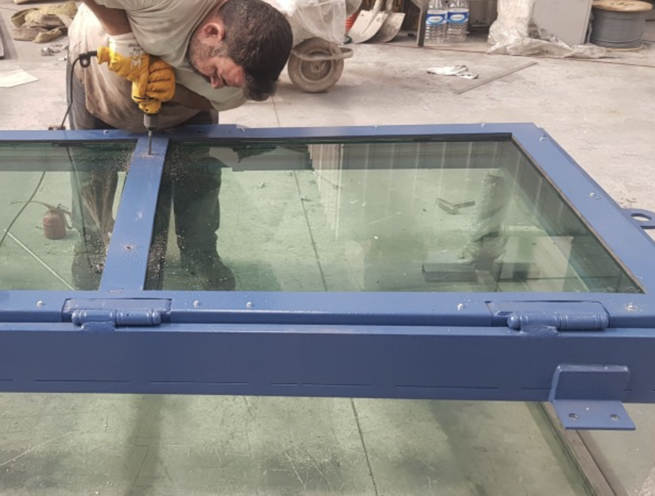
Blast Proof Glass, Blast-Resistant Glass Frame
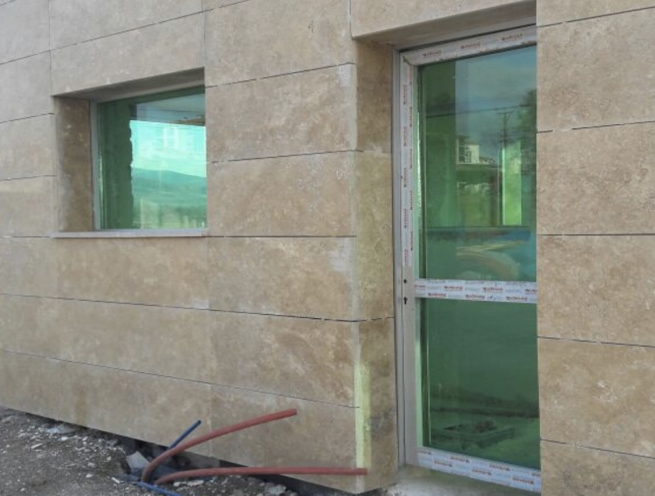
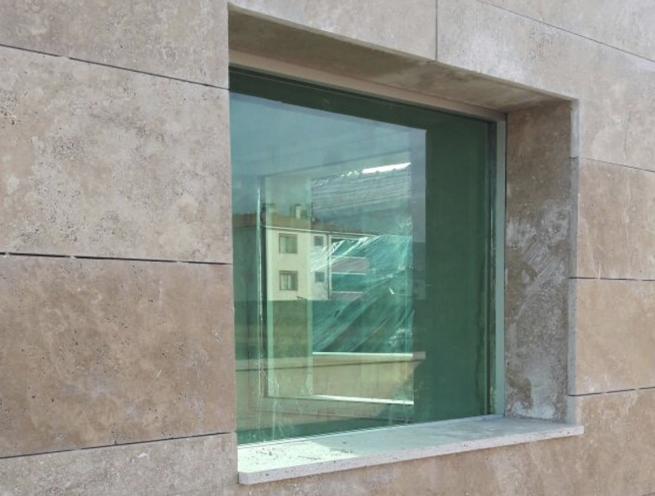
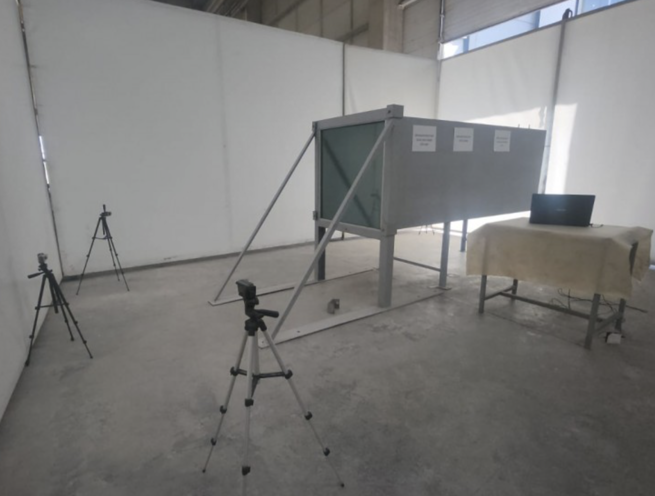
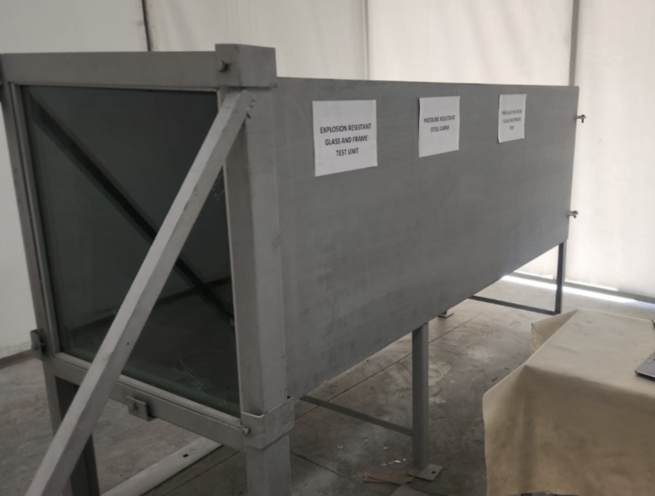
The Madoors USA Blast Proof Glass and Blast-Resistant Glass Frame System is a certified, multilayer laminated security glazing and high-strength steel frame solution engineered for defense facilities, industrial sites, government buildings, airports, and high-security private residences requiring the highest level of protection against explosion pressure waves, blast overpressure, and glass fragmentation injury. Independently tested and certified to EN 13541, ASTM F1642, GSA-TS01:2003, EN 13123-2, and ISO 16933:2007, the Madoors USA blast-resistant glazing system combines specially laminated safety glass with high-strength steel frames to absorb sudden pressure waves, maintain glass integrity during an explosion, and prevent glass fragmentation from becoming a lethal secondary hazard to building occupants.
Designed for defense-industry precision and architectural refinement simultaneously, the system provides expansive glass surfaces that fill interiors with natural light and complement modern architecture with slim, elegant frames — while delivering independently certified blast overpressure resistance that satisfies the procurement requirements of government, military, and critical infrastructure clients worldwide. Project-specific sizing, custom design, and professional installation are provided by Madoors USA's R&D-driven engineering team.
TECHNICAL SPECIFICATIONS
The Madoors USA Blast Proof Glass is a multilayer laminated security glazing product consisting of a highly engineered combination of glass panes and interlayer films, with the total number of layers varying based on the required blast-resistance performance class. All layers are laminated together under high pressure and heat, creating a unified panel that remains secure yet flexible when subjected to blast wave loading — absorbing pressure wave energy through controlled interlayer deformation rather than brittle fracture, and retaining all glass fragments within the laminate structure to prevent fragmentation injury even when the outer glass layers are cracked or broken.
The glass frame system uses high-strength steel frames specifically engineered to complement the blast resistance of the glazing panel — transferring blast overpressure loads from the glazing panel into the surrounding structural opening while maintaining the frame-to-glazing connection integrity under the dynamic loading conditions of an explosion event. The combination of laminated glazing and high-strength steel frame provides a complete blast-resistant opening system — not simply a blast-resistant glass panel installed in a standard frame, but an engineered system where glazing and frame performance are matched and certified together.
Blast resistance certifications cover the following standards. GSA-TS01:2003 — the US General Services Administration standard test method for glazing and window systems subject to dynamic overpressure loadings, the primary specification for US government building blast-resistant glazing procurement. EN 13541 — the European standard for security glazing testing and classification of resistance against explosion pressure, providing the recognized European blast resistance classification for building glazing. EN 13123-2 — the European standard for explosion resistance requirements and classification of windows, doors, and shutters. ISO 16933:2007 — the international standard for explosion-resistant security glazing testing and classification for arena air-blast loading.
Design options available across the blast-resistant glazing range include color options, printed glass, fire resistance integration, and multiple transparency levels — providing both functional and aesthetic customization for the specific architectural and operational requirements of each project.
KEY FEATURES
Multilayer Laminated Blast-Resistant Glass — Pressure & Fragmentation Protection
The multilayer laminated construction absorbs blast overpressure wave energy through controlled interlayer deformation, preventing the brittle fracture and explosive glass fragmentation that makes conventional glazing one of the most dangerous secondary injury sources in an explosion event. All glass fragments are retained within the laminate structure — even when outer glass layers are cracked or broken under blast loading — eliminating fragmentation injury to building occupants behind the glazing.
High-Strength Steel Frame — Structural Load Transfer
The high-strength steel frame transfers blast overpressure loads from the glazing panel into the surrounding structural wall or opening frame, maintaining the integrity of the frame-to-glazing connection and the frame-to-structure connection throughout the blast event. The steel frame specification is engineered to match the blast resistance class of the glazing panel, ensuring that the frame does not become the failure point in the overall opening system under the dynamic loading conditions of the design blast scenario.
Five-Standard Certification — EN 13541, ASTM F1642, GSA-TS01, EN 13123-2 & ISO 16933
The Madoors USA blast-resistant glazing system is independently tested and certified to five internationally recognized blast resistance standards — providing coverage across US government, European government, and international defense and critical infrastructure procurement specifications from a single certified product system. Multi-standard certification eliminates the need to source different products for projects with different national or institutional certification requirements.
Secure Yet Flexible Under Blast Wave Loading
The laminated interlayer system is engineered to remain secure yet flexible when subjected to a blast wave — absorbing dynamic pressure energy through controlled panel deflection rather than rigid resistance, and redistributing load progressively across the frame rather than concentrating failure at a single point. This flexible response characteristic is the engineering basis of the system's blast resistance performance — distinguishing it from conventional glass that fails explosively under equivalent loading.
Expansive Glass Surfaces — Natural Light & Modern Aesthetics
The slim yet exceptionally strong steel frame profile maximizes the glazed surface area of each opening, allowing natural light to fill the building interior and maintaining the visual transparency and architectural character of the facade — providing blast-resistant performance without the visual heaviness of thick conventional security framing systems. The elegant, refined frame appearance complements modern architectural design at government buildings, corporate headquarters, and high-security private residences.
Custom Color, Print & Fire Resistance Options
The blast-resistant glazing is available with color options, printed glass designs, and fire resistance integration — allowing the glass to be specified with architectural finish characteristics that match the specific aesthetic requirements of each project without any reduction in blast resistance performance. Fire resistance integration combines blast overpressure protection and fire containment in a single glazing unit for applications where both hazard types must be addressed simultaneously.
Project-Specific Sizing & Custom Design
Every Madoors USA blast-resistant glazing installation is sized and designed to the specific opening dimensions, blast resistance class, frame configuration, and aesthetic requirements of each individual project — with no standard-size limitation constraining the specification. R&D-driven production ensures that every project-specific design meets the highest quality and safety standards throughout the full manufacturing and testing process.
Defense-Industry Engineering Expertise
Madoors USA's blast-resistant glazing system is developed with defense-industry engineering expertise — applying the materials science, structural engineering, and blast dynamics knowledge of military facility protection to commercial, institutional, and residential high-security glazing projects. This defense-grade engineering background ensures that the system's certified blast resistance performance reflects real-world explosion threat scenarios rather than laboratory-only test conditions.
BLAST RESISTANCE PERFORMANCE CLASSES
The Madoors USA multilayer laminated blast-resistant glass is available across multiple blast resistance performance classes — determined by the number of glass and interlayer film layers in the laminated construction — covering the full range of blast overpressure levels encountered from low-level industrial explosion hazards through to high-energy military ordnance detonation scenarios. The specific performance class required for each project is determined by the design blast scenario — defined by the threat assessment for the specific facility location, proximity to potential explosion sources, and the consequence level of glazing failure for the occupants of the protected space.
Each performance class is independently tested and classified to the applicable standards — EN 13541, GSA-TS01:2003, EN 13123-2, and ISO 16933:2007 — with test certification providing the independently verified performance documentation required for defense, government, and critical infrastructure procurement compliance.
ASSEMBLY & INSTALLATION SEQUENCE
Blast Threat Assessment & Performance Class Selection
The design blast scenario for the specific facility location is established — including the type of explosion source, standoff distance, expected peak overpressure, positive phase duration, and impulse. The required blast resistance performance class under EN 13541, GSA-TS01, EN 13123-2, or ISO 16933 is confirmed against the design blast scenario parameters. Glass layer count and interlayer film specification are determined for the confirmed performance class.
Project-Specific Glass & Frame Engineering
Opening dimensions, frame profile specification, glazing panel dimensions, edge detail, and structural fixing arrangement are engineered to the confirmed blast resistance class and architectural design requirements. Color, print, and fire resistance options are incorporated into the glass specification where specified.
Structural Opening Preparation
The structural opening in the wall or facade is prepared to the specified dimensions for the blast-resistant frame. Structural fixing anchor positions in the surrounding wall are designed and confirmed for the dynamic blast load transfer requirements of the frame-to-structure connection — conventional fixing specifications are insufficient for blast-rated frame anchorage.
High-Strength Steel Frame Installation
The high-strength steel frame is installed in the prepared structural opening and anchored to the surrounding structure at the specified fixing positions using blast-rated anchor systems. Frame alignment, plumb, and level are verified. Frame-to-structure connections are torqued to the specified installation settings.
Blast-Resistant Glazing Panel Installation
The multilayer laminated blast-resistant glass panels are installed into the high-strength steel frame using the specified blast-rated glazing method — structural glazing with blast-rated sealant, mechanical fixing with blast-rated glazing beads, or dry glazing with structural blast-rated gaskets. Panel-to-frame connection integrity and edge cover dimensions are verified against the engineering specification.
Blast Performance Continuity Verification
The complete installed opening system — glazing panel, frame, glazing-to-frame connection, and frame-to-structure connection — is inspected for blast performance continuity. No unprotected gap, undersized fixing, or non-compliant sealant joint should exist at any point in the load path from the glazing panel face to the structural wall anchorage.
Certification Documentation Handover Blast resistance test certification documentation — EN 13541, ASTM F1642, GSA-TS01:2003, EN 13123-2, and ISO 16933:2007 certificates as applicable to the performance class — is compiled into the project handover package alongside installation engineering drawings, material data sheets, and maintenance guidance.
DEPLOYMENT SCENARIOS & USE CASES
Madoors USA Blast Proof Glass and Blast-Resistant Glass Frame Systems are specified for any building opening where explosion overpressure, blast wave, and glass fragmentation protection is required alongside natural light transmission and architectural transparency.
- Military command center and operations building windows
- Ammunition depot and explosive storage facility glazing
- Government building and ministry public facade glazing
- Embassy and diplomatic facility blast-resistant windows
- Nuclear power station control room and administrative glazing
- Petrochemical plant and refinery control room windows
- Chemical processing facility blast-resistant glazing
- Airport secure entry area and terminal blast glazing
- Court complex and justice facility high-security glazing
- Critical infrastructure substation and control room windows
- Police headquarters and law enforcement facility glazing
- High-security private residence and villa glazing
- VIP compound and protected residence blast windows
- Industrial explosion hazard facility control room glazing
- Financial institution and bank headquarters security glazing