Automatic Comparative Under Vehicle Surveillance System
The Madoors USA Automatic Comparative Under Vehicle Surveillance System (UVSS) is an advanced, real-time under-vehicle scanning, imaging, and threat detection system engineered for high-security vehicle checkpoints, perimeter access control points, and critical facility entrance monitoring. Using high-resolution color cameras, high-intensity LED illumination, and digital comparative image processing, the Madoors USA UVSS automatically scans, photographs, and analyzes the underside of every vehicle passing over the system — detecting attached packages, explosives, foreign objects, and suspicious modifications by comparing current undercarriage images against stored reference images of the same vehicle in real time.
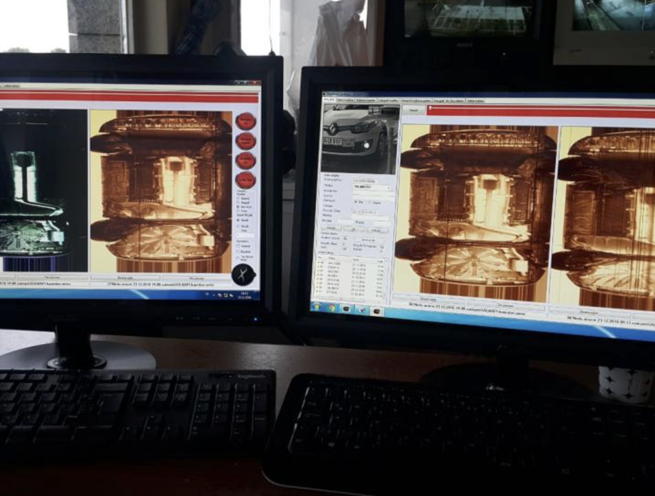
The system automatically recognizes the vehicle, captures the license plate number, photographs the full undercarriage, and compares the current image against previously stored images — alerting security personnel immediately when differences indicative of attached threats or modifications are detected. Live full-color real-time viewing requires no expensive image-processing computer and operates with zero delay, providing security operators with an immediate, complete picture of vehicle undercarriage condition at every vehicle pass.
TECHNICAL SPECIFICATIONS
The Madoors USA UVSS incorporates high-resolution color cameras positioned along the length of the scanning ramp to capture complete undercarriage coverage including wheel wells and suspension geometry — areas where attached packages and concealed objects are most frequently placed. Camera focal length, field of view, and angle are calibrated to simulate the visual perspective of a person in an inspection pit viewing vehicles passing overhead, providing the most natural and complete undercarriage image geometry for security operator assessment.
Bright white high-intensity LED-based lighting illuminates the full vehicle undercarriage as the vehicle passes over the scanning ramp, eliminating shadow areas that would otherwise conceal objects in recesses, wheel arches, exhaust routing, and structural members. The combination of high-resolution color imaging and high-intensity LED illumination ensures that no detail is lost in shadow or obscured by low contrast between vehicle undercarriage surfaces and attached objects.
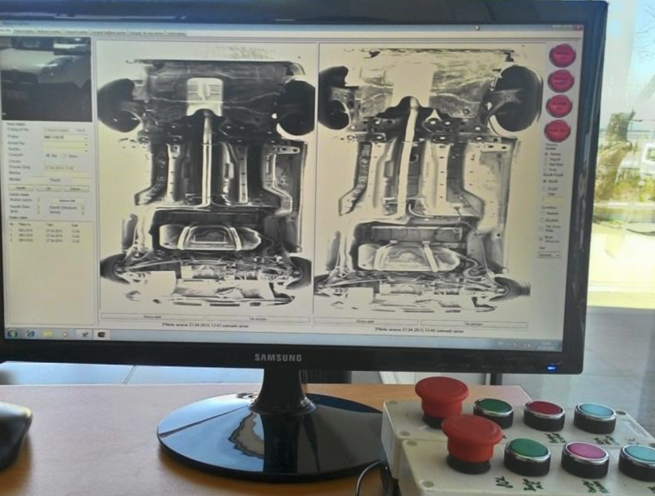
The digital comparative processing system stores the undercarriage image from each vehicle pass and compares subsequent images of the same vehicle — identified by automatic license plate recognition — against the stored reference image. Differences between the reference image and the current image are automatically flagged and presented to the security operator as an alert, with the differing area highlighted for immediate visual assessment. This comparative approach detects newly attached objects, removed components, and structural modifications that occurred between the vehicle's previous and current visit to the checkpoint.
Real-time full-color live viewing of the vehicle undercarriage is available simultaneously with the comparative processing function, allowing security operators to monitor the undercarriage image as the vehicle passes over the ramp without waiting for image processing completion.
KEY FEATURES
Automatic Comparative Image Analysis
The defining operational capability of the Madoors USA UVSS is its automatic comparative image processing — the system stores each vehicle's undercarriage image indexed by license plate number and automatically compares subsequent passes of the same vehicle against the stored reference. Differences between images are automatically detected and flagged as alerts, directing security operator attention to the specific area of the undercarriage where a change has occurred. This comparative approach is significantly more reliable than unaided visual inspection of undercarriage images, which depends entirely on operator attention and familiarity with each vehicle's normal undercarriage configuration.
Real-Time Full-Color Live Viewing
The system provides real-time full-color live viewing of the vehicle undercarriage with zero delay as the vehicle passes over the scanning ramp. Security operators can monitor the undercarriage image in real time without waiting for image capture and processing completion — providing immediate situational awareness at the checkpoint and enabling parallel live observation and comparative analysis during each vehicle pass.
Automatic License Plate Recognition
The system automatically captures and reads the vehicle license plate as the vehicle approaches the scanning ramp, indexing the undercarriage image to the plate number without requiring manual operator input. License plate recognition enables fully automatic vehicle identification for the comparative analysis function and creates a searchable database of vehicle undercarriage records for historical reference and audit purposes.
High-Resolution Color Camera Array
High-resolution color cameras are positioned along the full length of the scanning ramp, capturing complete undercarriage coverage including wheel wells, suspension components, exhaust routing, fuel tank, chassis rails, and underfloor panels. Color imaging provides the detail and contrast required to distinguish between vehicle components and attached foreign objects — a capability that monochrome systems cannot match in the shadow-heavy environment of vehicle undercarriage inspection.
High-Intensity LED Illumination — Shadow Elimination
Bright white high-intensity LED-based lighting illuminates the complete vehicle undercarriage from below as the vehicle passes over the ramp, eliminating the shadow areas created by structural members, exhaust pipes, and suspension geometry that would otherwise conceal attached packages or explosive devices in conventional inspection pit lighting conditions. Full-coverage LED illumination ensures that no area of the undercarriage is in shadow in the captured image.
Pit-Perspective Camera Geometry
Camera focal length, field of view, and angle are calibrated to replicate the visual perspective of a trained inspector positioned in an underground pit viewing vehicles passing directly overhead. This pit-perspective geometry provides the most complete and naturally interpretable undercarriage image for security operator assessment — matching the viewing angle that inspection training and experience are based on, and capturing wheel well interiors and suspension geometry from angles that top-down or angled camera positions cannot achieve.
Threat Detection — Attached Packages, Explosives & Foreign Objects
The system is specifically engineered to detect attached packages, explosive devices, IEDs, and other foreign objects attached to the vehicle undercarriage between checkpoint visits. The comparative analysis function identifies newly attached objects regardless of their size, shape, or material — any object not present in the reference image is flagged as a difference alert for security operator assessment.
No Expensive Image-Processing Computer Required
The Madoors USA UVSS is designed to operate without requiring a dedicated high-specification image-processing computer, reducing the total system cost and infrastructure requirements at checkpoint installations where IT infrastructure is limited or where rapid deployment without extensive IT setup is required.
Immediate Alert — Suspicious Object Notification
When the comparative processing system detects a difference between the reference and current undercarriage images, an immediate alert is generated for the security operator — with the area of difference highlighted in the display to direct operator attention to the specific location of the detected change without requiring the operator to identify the difference through manual image comparison.
Complete Digital Record — Searchable Vehicle History
Every vehicle undercarriage image is stored digitally indexed to the vehicle license plate number, creating a complete, searchable record of all vehicle undercarriage scans at the checkpoint. This historical database supports post-incident investigation, audit of checkpoint operations, and pattern analysis of vehicle visit frequency and undercarriage condition changes over time.
ASSEMBLY & INSTALLATION SEQUENCE
Site Assessment & Camera Layout Planning
The checkpoint entrance geometry, vehicle approach speed, lane width, and security operator position are assessed. Camera positions along the ramp length are planned to achieve complete undercarriage coverage for the vehicle types expected at the checkpoint. LED lighting array positions and intensity requirements are confirmed for the specific installation environment.
Scanning Ramp Installation
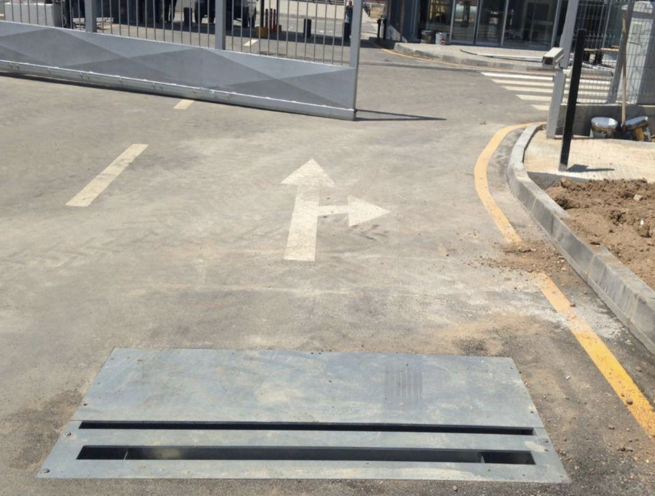
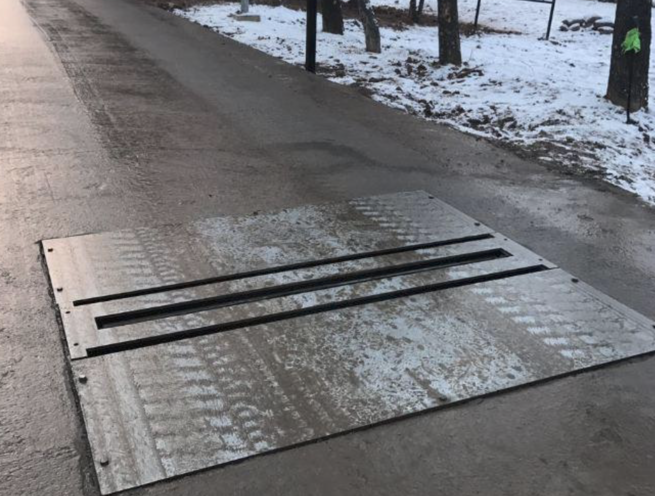
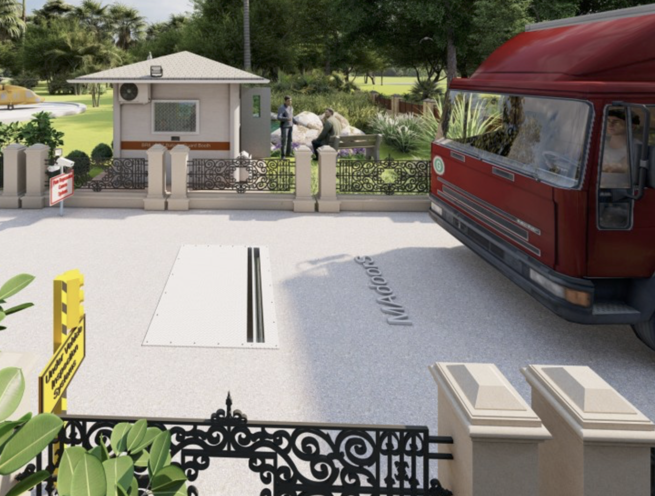
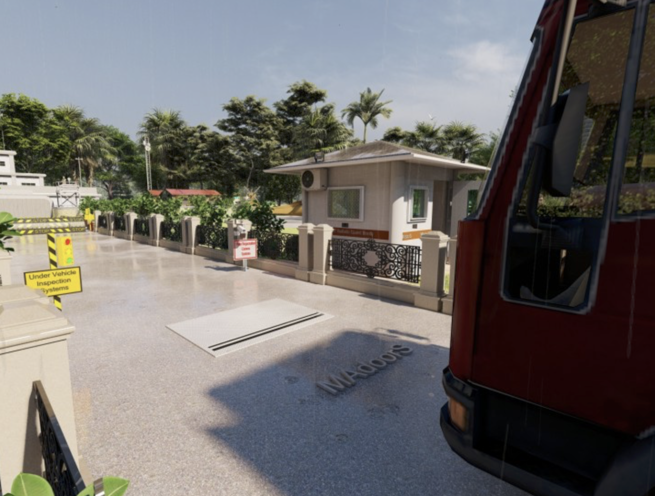
The scanning ramp is installed at the checkpoint vehicle lane position. Ramp surface profile, approach gradient, and departure gradient are set to control vehicle passage speed over the camera array, ensuring consistent image capture quality across different vehicle types and speeds.
Camera Array Installation & Alignment
High-resolution color cameras are installed at the specified positions along the ramp length. Camera angle, focal length, and field of view are adjusted to achieve pit-perspective undercarriage geometry across the full vehicle width. Camera positions for wheel well coverage are verified against the widest and narrowest vehicle types expected at the checkpoint.
LED Lighting Array Installation
High-intensity LED lighting units are installed along the ramp to provide full-coverage undercarriage illumination without shadow gaps. LED intensity and coverage angle are verified to eliminate shadow areas across the full undercarriage width and depth for all vehicle ride heights expected at the checkpoint.
License Plate Recognition Camera Installation
License plate recognition cameras are installed at the vehicle approach position, aligned to capture clear plate images across the full range of vehicle speeds, heights, and lateral positions within the lane. Plate recognition performance is tested across representative vehicle types and lighting conditions.
System Integration & Database Initialization
The camera array, LED lighting, license plate recognition, and comparative processing system are integrated and initialized. The vehicle undercarriage image database is established. Initial reference images are captured for regular checkpoint vehicles to populate the comparative database before live operations commence.
Operator Interface Commissioning & Alert Testing
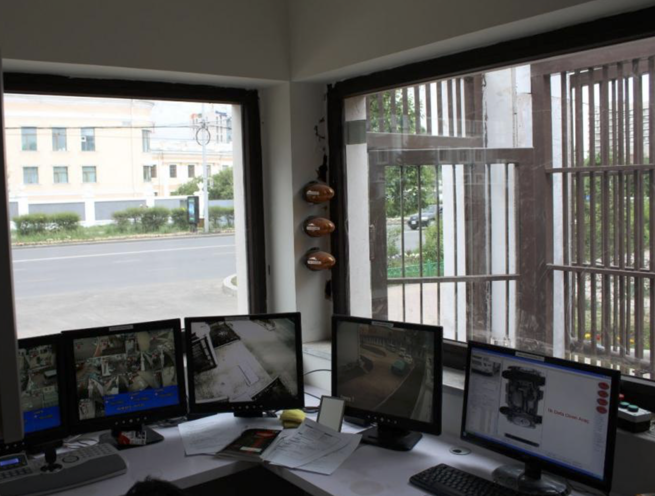
The security operator display interface is commissioned and configured. Alert generation, difference highlighting, and operator notification functions are tested using simulated undercarriage changes. Operator familiarization with live viewing, comparative alert response, and database search functions is completed.
Live Operation Commencement & Performance Verification
The system is brought into live operation. Undercarriage image quality, license plate recognition accuracy, comparative analysis performance, and alert generation reliability are verified across the first operational vehicle passes. System performance parameters are adjusted as required for the specific checkpoint vehicle types and traffic volumes.
DEPLOYMENT SCENARIOS & USE CASES
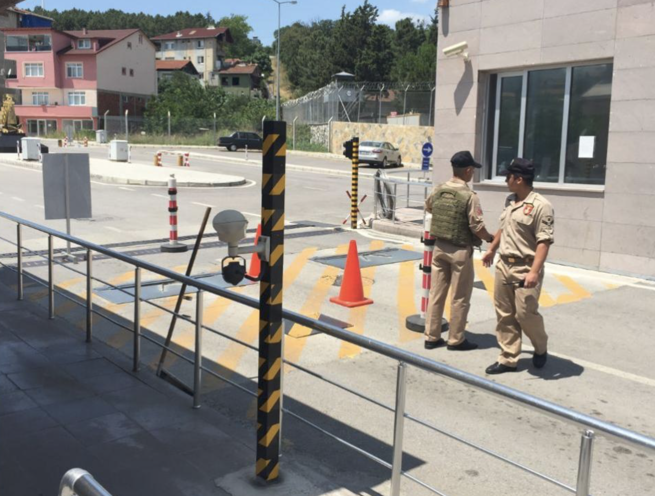
Madoors USA Automatic Comparative Under Vehicle Surveillance Systems are specified for any high-security vehicle access control point where undercarriage threat detection and vehicle monitoring are operational security requirements.
- Military base and installation vehicle entry control points
- Embassy and diplomatic compound vehicle entrance checkpoints
- Government building and ministry vehicle access control
- Airport perimeter and airside vehicle entry checkpoints
- Prison and correctional facility vehicle entrance control
- Nuclear facility and power station vehicle access monitoring
- Petrochemical plant and refinery vehicle entry checkpoints
- Port and maritime terminal vehicle access control
- Border crossing and customs vehicle inspection points
- VIP compound and protected residence vehicle entrance monitoring
- Court complex and justice facility vehicle access control
- Stadium and arena event vehicle entry security checkpoints
- Critical infrastructure facility vehicle access monitoring
- Hotel and resort high-security vehicle entrance control
- Shopping center and public facility vehicle security screening